
Elton and Orston: The history of Nottinghamshire’s ‘ghost station’ served by just two trains per day

It’s officially the third-quietest train station in the UK, so why was it even built?
Anyone who has had the misfortune of stepping onto the platform at Nottingham Train Station at 5pm on a Friday will tell you that things can get pretty busy.

According to the Office for Rail and Road, some 6.7 million passengers used the station between April 2022 and March 2023.
A station just 14 miles away, however, recorded just 56 entries and exits over the same period.
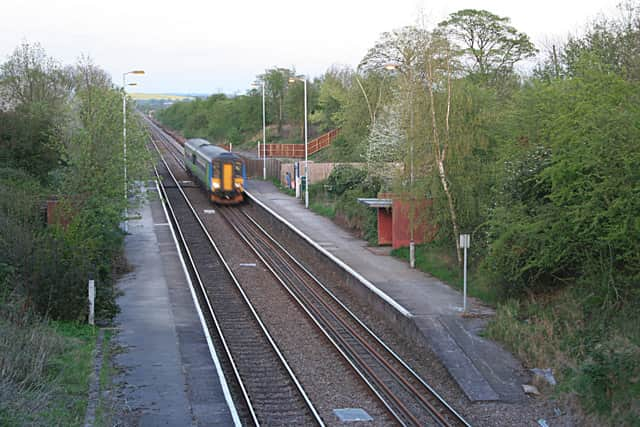
Elton and Orston Station, located east of the city, close to the A52, was officially the UK’s third-quietest station last year.
In the previous set of figures, covering 2021 and 2022, the station was named as the least-used in the country, with just 40 people using it over 10 months.
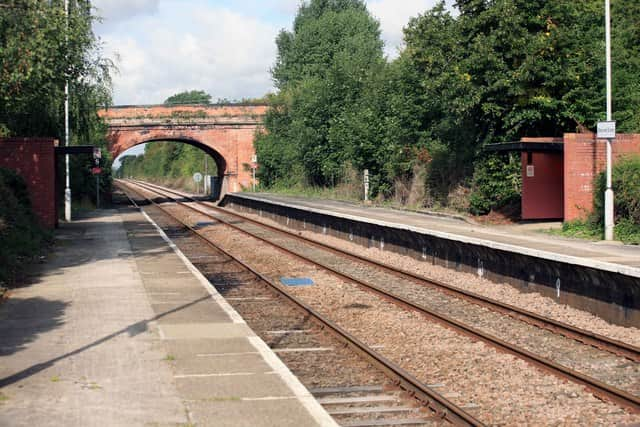
Such is the low demand for services at Elton and Orston that just two trains stop there each day.
With no ticket machine, shop or toilet, the station’s utilities are about as basic as it gets.
The 7.04am service towards Nottingham and 5.13pm service towards Skegness are the only opportunities for passengers to enter or exit at the tiny station.
With minimal footfall, you’d be forgiven for wondering why on earth the station was built in the first place.
Victorian beginnings and a steady decline
The station, originally named Elton, opened in 1850.
In the 1840s 'Railway Mania' saw a frenzy of investment into the UK’s rail network as technology rapidly developed.
The railway system offered new chances for travel, holidays, transporting goods, developing businesses, and the growth of towns and cities.
According to the National Archives, an estimated £3 billion was spent on building the railways from 1845 to 1900.
Elton was ultimately one of the hundreds of village stations across the UK to benefit from this investment.
In a time before motor cars, the station allowed residents from Elton, Orston, and the surrounding villages quick access to Nottingham.
During the 20th century, the station’s passenger numbers slowly declined.
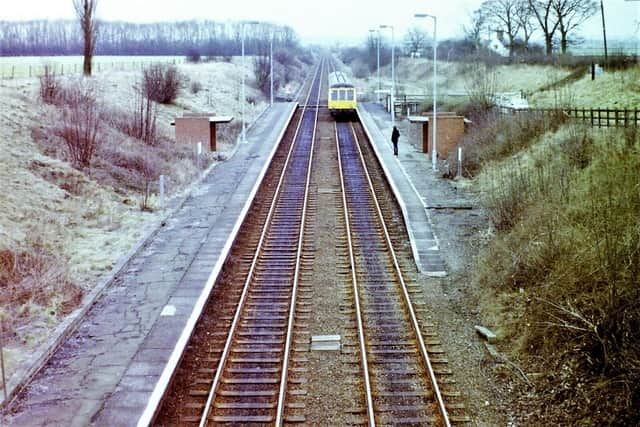
The surrounding rural population had the convenience of driving to either Nottingham or nearby Grantham.
As the 20th century made way for the 21st, Elton and Orston’s low passenger numbers resulted in it being named among the quietest stations in the UK.
Nowadays Elton and Orston is used by a handful of locals, as well as intrigued railway enthusiasts keen on visiting one of the country’s quietest stations.