

From the eerie catacombs hidden beneath Rock Cemetery to the hundreds of caves scattered across the city, Nottingham is a city full of history.
Wherever you look, an abundance of historical sites are just waiting to be discovered here in Nottingham.
Some of these sites have deteriorated over time, leaving them barely recognisable.
Others, meanwhile, have been well-maintained thanks to the work of volunteers.
Here are 8 lesser-known historical sites in Nottingham that you probably didn’t know about in 2025:
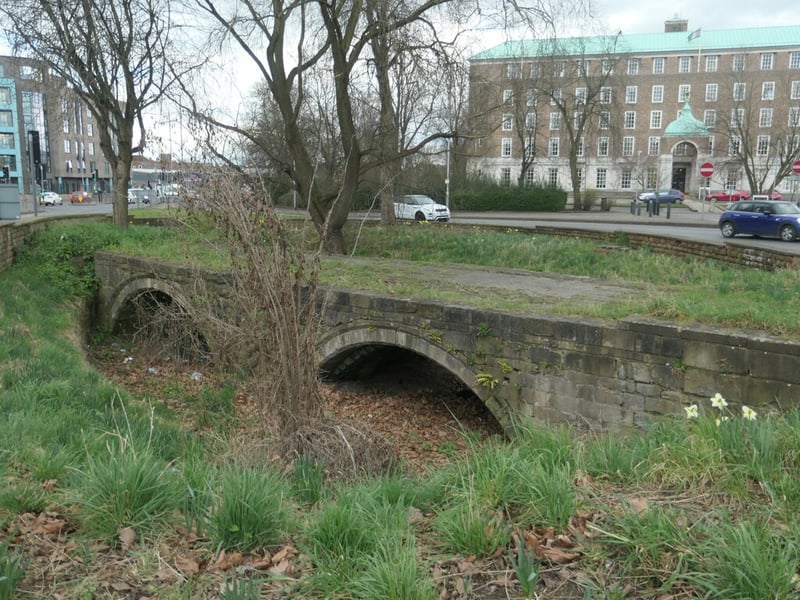
1. Old Trent Bridge
The ancient archways sit next to the busy A60 in Nottingham, where London Road meets Loughborough Road, and date back to the medieval period. In the late 1860s the old stone bridge, parts of which dated back to the 14th century, had become too damaged by flooding and it was declared unfit for the amount of traffic using it. For a while both bridges ran adjacent to one another, before the stone structure was demolished. Two arches were preserved, and rebuilt in a hollow on the West Bridgford side as a monument. | Christine Johnstone Photo: Christine Johnstone
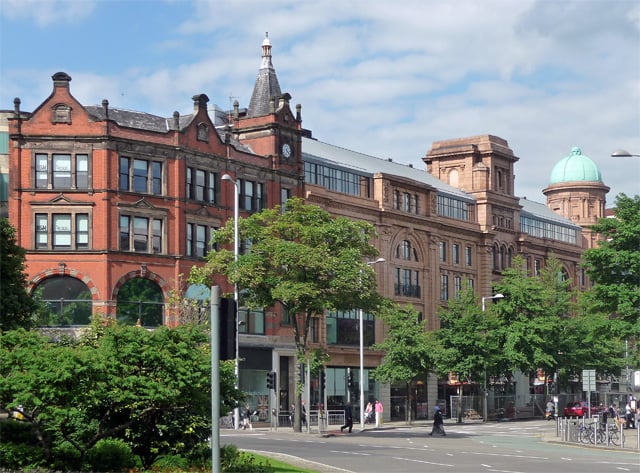
2. Elizabethan Ballroom at Co-Op House
With Nottingham’s iconic Rock City another 17 years off opening in 1963, bands of the era had to play in other music venues across the city. For The Beatles, this meant that their debut performance in Nottingham was hosted at the Elizabethan Ballroom, which was located in Co-Op House, Upper Parliament Street. Surprisingly, those who were fortunate enough to be inside the Elizabethan Ballroom that night were by no means fighting for space to see John, Paul, George and Ringo. | Stephen Richards Photo: Stephen Richards
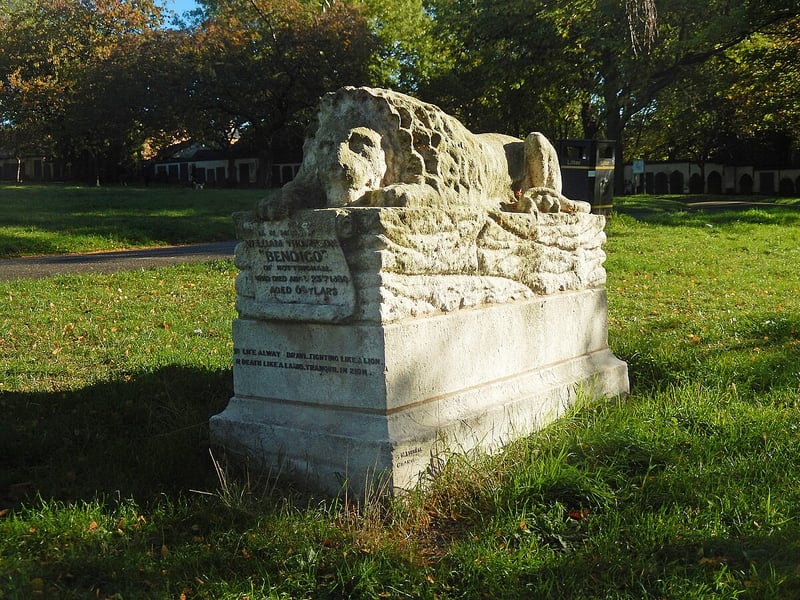
3. Bendigo's grave
Born William Abednego Thompson, Bendigo was one of 21 children and grew up in poverty. He became a professional boxer at the age of 21 and only lost one fight during his career. Bendigo died on August 23, 1880, after falling down the stairs of his Beeston home. He was buried four days later in St Mary’s Rest Garden. The memorial over his grave features a crouching lion, close to the Bath Street end of the burial ground. | Stephen McKay Photo: Stephen McKay
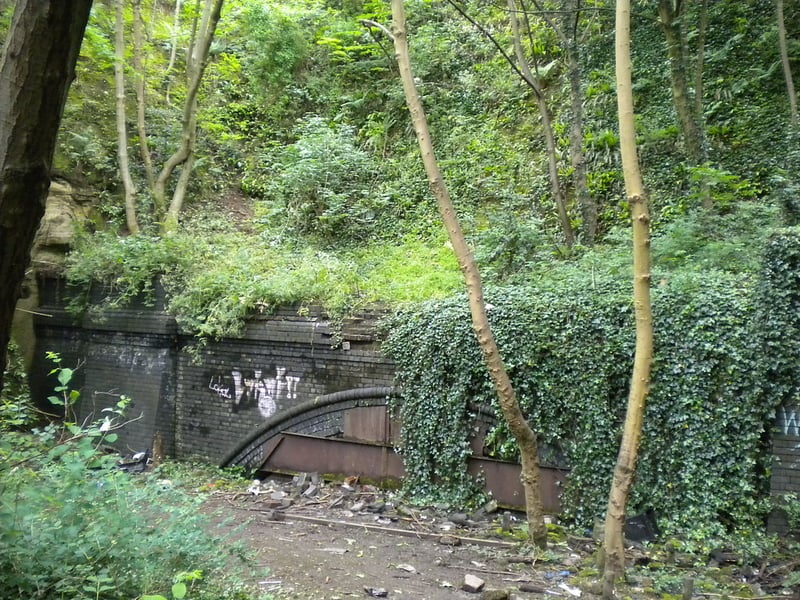
4. Sherwood Rise tunnel
The Sherwood Rise tunnel served the Great Central Railway until 1969. The Great Central Railway mainline from London Marylebone to Sheffield via Leicester and Nottingham was the last trunk route to be completed in 1899. After passing through a deep cutting in the sandstone south of New Basford station, southbound trains entered the Sherwood Rise Tunnel. After the Nottingham section of the Great Central mainline was closed in 1967, the tunnel became redundant and its entrances subsequently filled in. The southern end of the tunnel was completely filled in, while the northern end - off Haydn Road - was blocked off with a large metal plate. Besides occasional visits from urban explorers and intrigued locals, the tunnel has remained largely untouched for the past five-and-a-half decades. | Richard Vince Photo: Richard Vince