
Clumber Park: The 'top secret World War II test site’ where you can walk in Churchill's footsteps

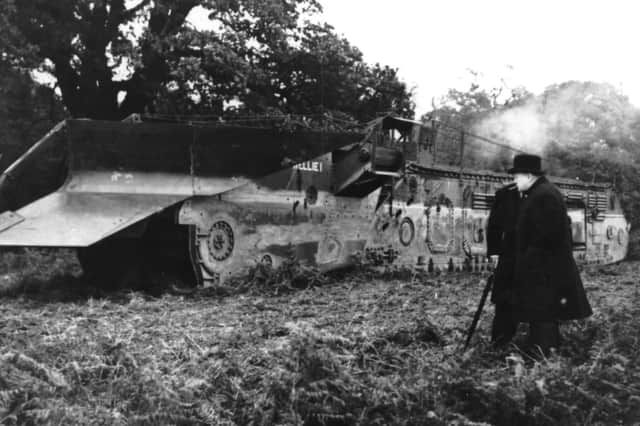
The site was visited by Sir Winston Churchill during the Second World War as engineers worked to develop a prototype trench-cutting tank, but now it’s a National Trust park
We’re now approaching the middle of March, which means that the weather should start to noticeably improve.

With winter now firmly behind us, it’s time to start looking forward to warmer, longer days where we can spend more time outdoors.
Whether you’re a runner, cyclist, or just like going for a relaxing stroll every day, it doesn’t half make a difference if you can enjoy the outdoors without getting soaked or freezing cold.
READ MORE: Best days out near Nottingham
Spring is arguably the best time of the year to head out for a walk because you’re unlikely to experience extreme weather.
This time of year is also ideal for seeing nature at its best, with colourful seasonal blooms such as daffodils and cherry blossoms making for some stunning Instagrammable photos.
Here in Nottinghamshire we’re blessed to have so much green space to enjoy a brisk walk.
If you’re not an experienced rambler, it’s probably best to stick to official walking routes, such as those at National Trust-managed sites.
Clumber Park - a 3,800-acre expanse of parkland near Worksop - is a great place to kick off with a spring walk.

The park was purchased by the National Trust in 1946, but just a few years previous it played a key role in the war effort.
In 1941, Clumber Park was used for secret trials using a trench-digging tank code-named MH956.
Churchill wanted a machine capable of digging large trenches through no man's land, and in November 1941 he visited the park to watch a demonstration of the contraption nicknamed ‘Nellie’.
Despite the success of the machine, it was never used in the war due to changes like warfare.
If you’re up for combining a bit of exercise with some history, the National Trust’s official Second World War walk at Clumber Park is a super way to take a trip back to 1941.
The walk takes you through the exact spots where ‘Nellie’ was created, with some evidence of earthworks still visible to this day.
You can find the full route and access to a map here.