
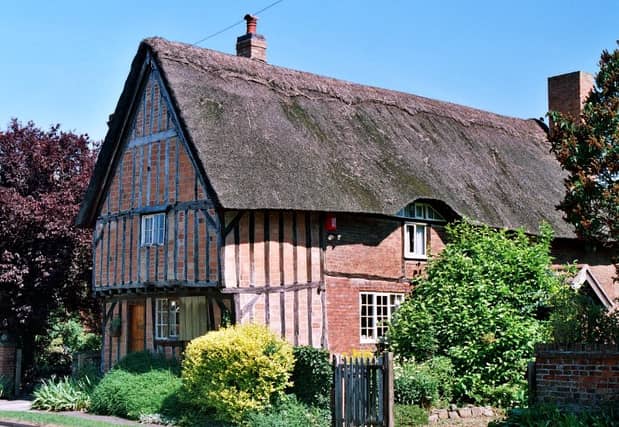


There were 318 towns, villages and settlements mentioned in the Domesday Book of 1086, but very few of them exist today.
If you haven’t heard of it before, the Domesday Book is a detailed survey of landed property in England at the end of the 11th century, recording who held the land and how it was used.
Given that the book was published 952 years ago, it’s unsurprising that some settlements have disappeared from the Nottinghamshire map completely.
Others, meanwhile, have changed names over the past nine-and-a-half centuries.
Burton Joyce, for instance, is referred to in the book as Burton, while Cropwell Bishop is included under the name Cropwell.
Clearly, many Nottinghamshire villages are now unrecognisable compared to 1086, with some having expanded from 13 households to several thousand.
We’ve taken a look at eight of the oldest Nottinghamshire villages mentioned in the Domesday Book that are still going strong in 2026.
Discover them below:
5. Blyth
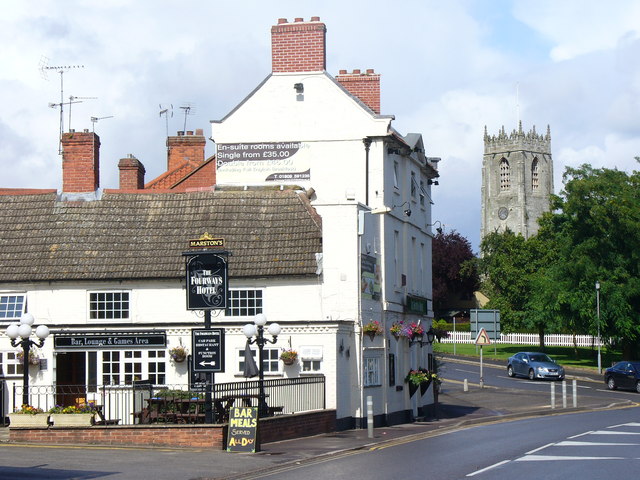
Danish invaders marched along the Blyth road in 867 to capture Nottingham and subdue Mercia. Blyth Priory was founded in 1088 by Roger de Busli, as a house of Benedictine Monks. Blyth had 8 households at the time of the Domesday Book in 1086. | Colin Smith Photo: Colin Smith
6. Barnaby in the Willows
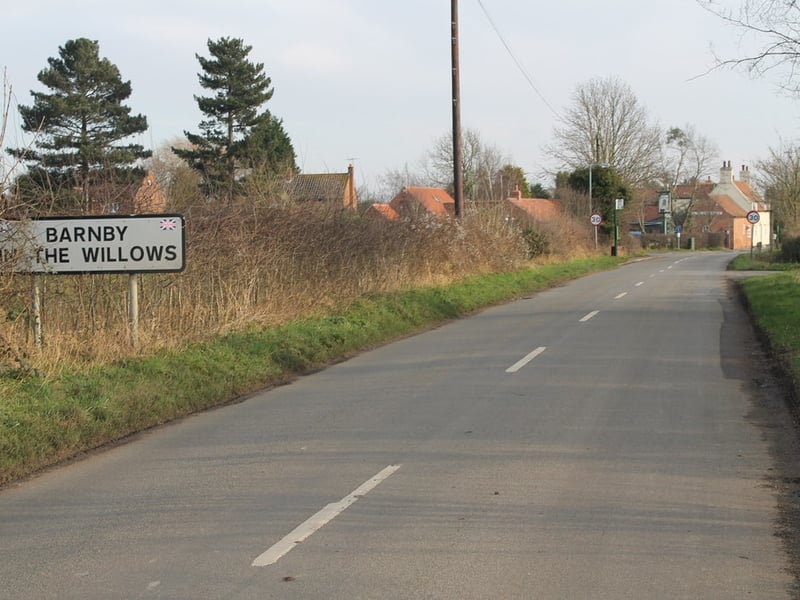
Away from the historic villages around Sherwood Forest, we find ourselves exploring Barnaby in the Willows. Located east of Newark, Barnby in the Willows has a history that includes Roman presence, evidenced by pottery finds. The village is shown in the Domesday Book as belonging to the Bishop of Bayeux. | Geograph Photo: Geograph
7. Willoughby on the Wolds
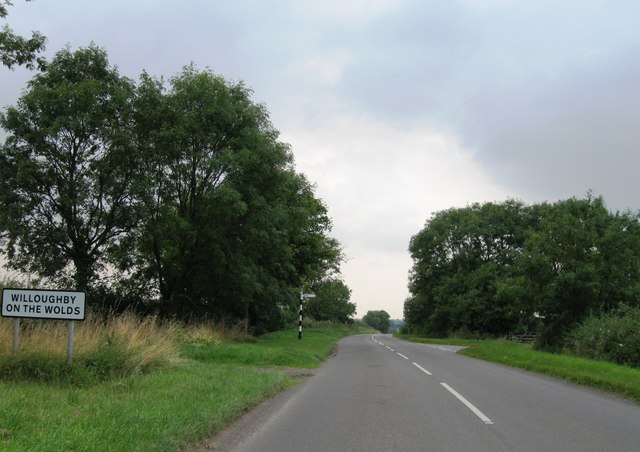
Willoughby on the Wolds has a long history stretching back to Roman times and is also thought to have been the site of the Battle of Willoughby Field, during the Civil War in 1648. It is mentioned in the Domesday Book of 1086 as simply Willoughby. | Geograph Photo: Geograph