
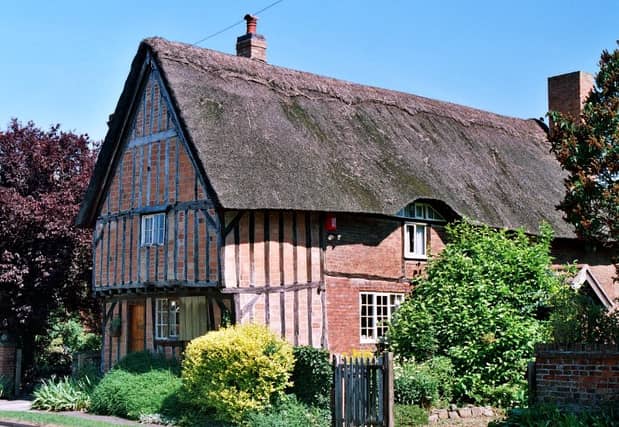


There were 318 towns, villages and settlements mentioned in the Domesday Book of 1086, but very few of them exist today.
If you haven’t heard of it before, the Domesday Book is a detailed survey of landed property in England at the end of the 11th century, recording who held the land and how it was used.
Given that the book was published 952 years ago, it’s unsurprising that some settlements have disappeared from the Nottinghamshire map completely.
Others, meanwhile, have changed names over the past nine-and-a-half centuries.
Burton Joyce, for instance, is referred to in the book as Burton, while Cropwell Bishop is included under the name Cropwell.
Clearly, many Nottinghamshire villages are now unrecognisable compared to 1086, with some having expanded from 13 households to several thousand.
We’ve taken a look at eight of the oldest Nottinghamshire villages mentioned in the Domesday Book that are still going strong in 2026.
Discover them below:

1. Ollerton
Situated on the eastern edge of Sherwood Forest, Ollerton's location gives a nod to its history. The village was first mentioned in the Domesday Book of 1086 as Alretun. In 1086 it had a recorded population of 15 households, having swelled to 11,103 residents by the time of the 2021 Census. | DHJ Photo: DHJ
2. Papplewick
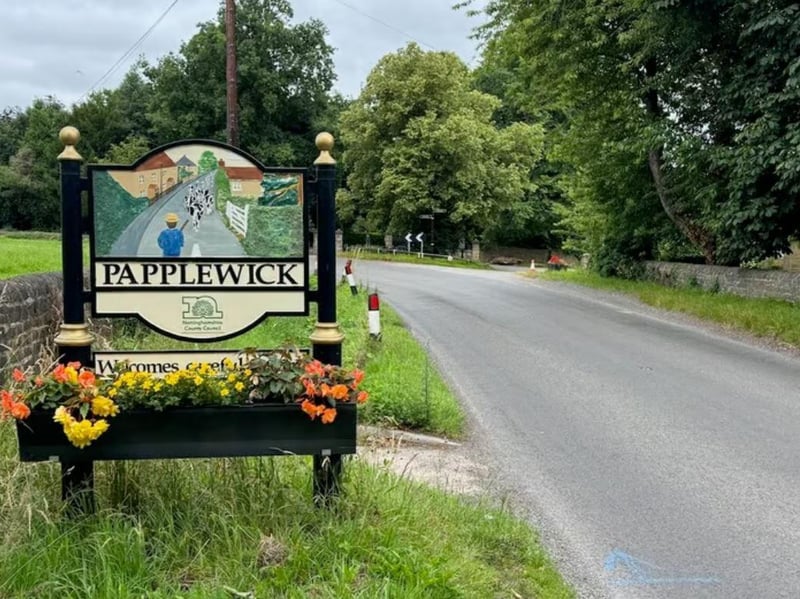
Papplewick is a beautiful village to the north of Nottinghamshire, just outside of Hucknall. The village has a rather quaint charm, which give visitors an insight into its rich history. The village, of Saxon origin, was mentioned in the 1086 Domesday book as Paplleuuic. | David Lally Photo: David Lally
3. Warsop
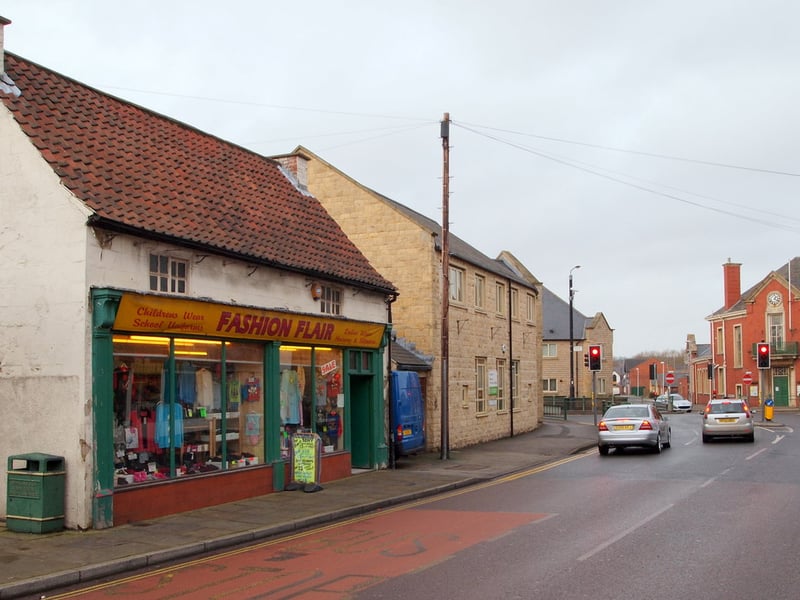
Like Ollerton, the civil parish of Warsop is located on the edge of Sherwood Forest. Warsop appeared in the Domesday Book of 1086 as a settlement named Wareshope. King John and Edward I are said to have had impromptu parliaments at the Parliament Oak Tree in the far east of the parish during the 13th century. | DHJ Photo: DHJ
4. Maplebeck
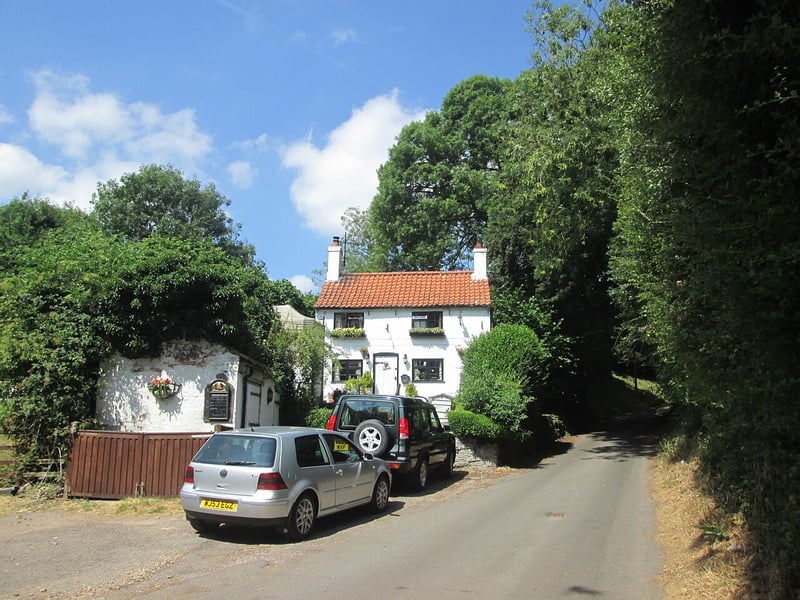
Maplebeck's name has remained the same over the past 952 years. The isolated village had 17 households in 1086, now laying claim to Nottinghamshire's smallest pub - The Beehive. | John Slater Photo: John Slater