
Road safety fears over increase in ageing drivers diagnosed with cataract
Eye health experts warn that increased cataract diagnosis and highest ever numbers of older drivers is potentially a recipe for disaster on British roads.


As the number of older drivers on the road reaches an all-time high with 6.3 million drivers aged over 70 in the UK, it is more important than ever to ensure vision is at its optimum.
One of the main eyesight challenges for this age-group is cataract, which can cause blur, cloudy vision and glare from lights.
During June’s Cataract Awareness Month, Optegra Eye Clinic Nottingham is emphasising that cataracts, one of the most common age-related eye conditions, can affect glare sensitivity, contrast, depth perception and reaction times - all of which are vital visual skills for safe driving.
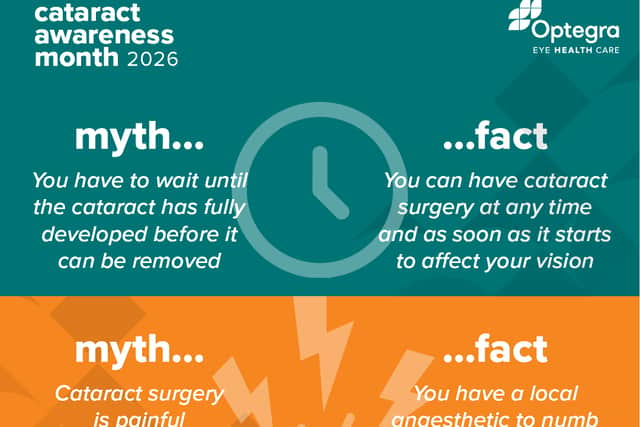
Cataracts are very common in driving-age older adults, affecting up to half of Brits aged over 60. Alongside this, between 2012 and 2025, the number of UK licence holders over the age of 70 increased by approximately 60% - this combination may compromise road safety for themselves and other road users.
Professor Clare O’Donnell, Head of Optometry and Eye Sciences research at Optegra, said: “Cataracts develop gradually over time, therefore many people don’t immediately notice how much their vision has changed. They adapt to worsening vision, often avoiding night driving or struggling with glare from headlights without recognising cataracts may be the cause.

“Good vision is, of course, essential for safe driving, and regular eye checks become even more important as we get older. Cataracts can be treated quickly and painlessly, helping those affected to regain clearer vision and maintain their independence.”
With an ageing population, cataract procedures are becoming more common. Hospital admissions for first cataract surgery in people aged 65+ in England increased from around 181,000 in 2013/14 to over 330,000 in 2024/25, according to UK public health data.
While driving provides older people with independence and mobility, it also presents challenges to road safety when faced with issues that form part of the natural ageing process, such as deteriorating vision.
Professor O’Donnell continues: “Many people assume changes to their vision are simply part of getting older, but there are risks to ignoring this. Cataracts are treatable with a quick and pain-free treatment, available on the NHS or privately, and so we would urge people not to ignore the symptoms.
“We all have a responsibility to check with older family members who still drive, to see if they have had a recent eye health check.
“These regular eyesight tests – recommended every two years - not only help ensure drivers meet vision standards but also play a vital role in helping to detect cataract and other eye diseases at an early stage.
“Importantly, early detection of cataract helps older drivers stay on the road safely, for longer.”