
Offenders put fresh produce on food bank shelves
Families in Worksop and the wider Bassetlaw area can now access fresh vegetables through their local food bank, thanks to donations from an allotment run by offenders serving community sentences in the grounds of HMP Ranby.
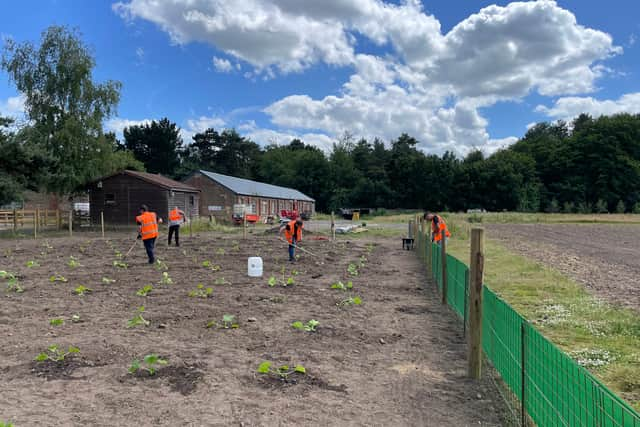

The supervised group, who are carrying out court-ordered Community Payback, have transformed an unused area of the prison's farmland into a thriving growing area, producing vegetables across polytunnels, allotments and greenhouses.
Community Payback is a form of unpaid work that can be ordered by courts as part of a community sentence, ensuring offenders repay their debt to society by helping the communities they have harmed.
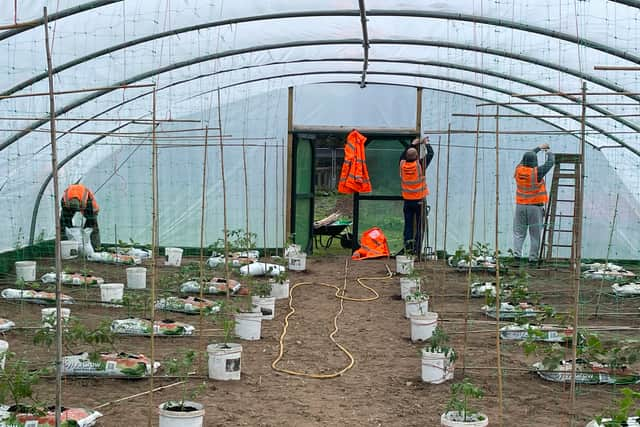
The offenders revamped the large area by digging and preparing the foundations for the growing area. They also fitted a new irrigation system to support with growing the produce including tomatoes, peppers, carrots and runner beans.
As well as supporting families in the local area, this work teaches offenders practical construction and agricultural labour skills which can help them turn their backs on crime.
Minister for Probation, Prisons and Reducing Reoffending, James Timpson, said: “Projects like the work done at HMP Ranby make sure offenders give back to the communities they've harmed through hard, manual work.
“As well as supporting valuable community organisations like Bassetlaw Food Bank, the unpaid work enables offenders to gain experience in industries like agriculture, where there is demand for workers. This can help them to find employment and reduce reoffending, making our streets safer as we deliver punishment that works to cut crime.”
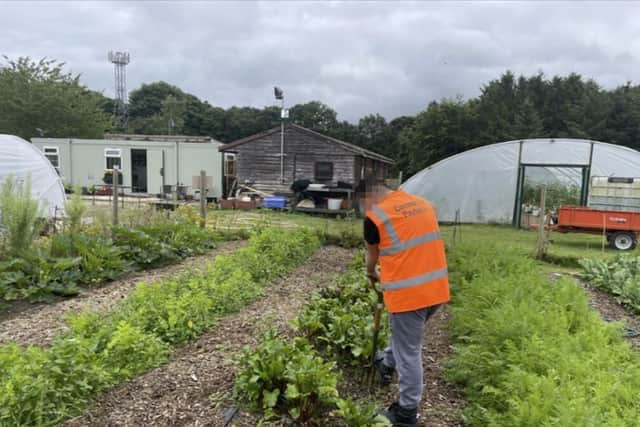
Ellen Ryan, CEO of Bassetlaw Food Bank, says the donations are welcomed: “Support from the Community Payback team increases access to fresh produce which supplements what we can provide in emergency food parcels and offer to those living in remote villages in the district of Bassetlaw.
“As it is difficult to get donations of fresh produce on a regular basis, this is something we as a charity buy in.
“Every time the Community Payback team have brought in a donation from their allotments, this translates to a direct cost saving for the charity, which is an incredible benefit."
Community sentences are made up of thirteen possible requirements that offenders are expected to meet, which include restrictions, tasks and treatment programmes they must carry out in the community.
Courts can order offenders to complete between 40 and 300 hours of Community Payback as part of their sentence.
Research shows over 60 per cent of offenders reoffended if they served a prison sentence of less than a year, which is significantly higher than offenders given community sentences instead. *
The expansion of punishments outside of prison, like community sentences, is one part of wider landmark sentencing reforms implemented by the Government to ensure punishments that work and fewer people become victims.
This is part of the government's Plan for Change to make streets safer, which also includes the government building 14,000 new prison places and increasing investment into probation by around 45% by 2028.