
Natural collagen: collagen explained, from the latest research to the best sources
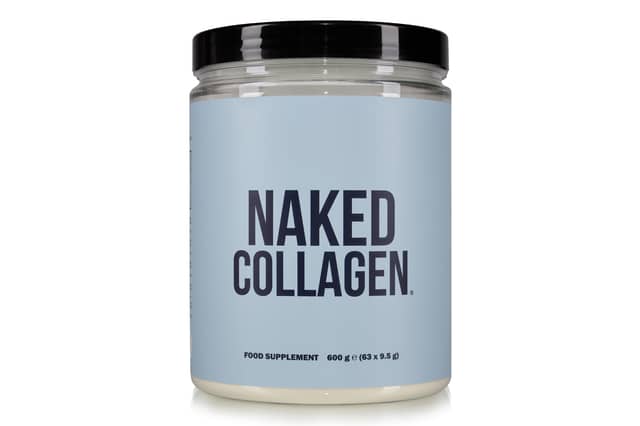

It’s time to debunk those myths – what exactly is collagen and does it really work?
Collagen has quietly become one of the biggest buzzwords in health and beauty, popping up everywhere from supermarket supplements to coffee shop smoothies – not to mention in every women’s magazine.
But what exactly is it, and why are so many people talking about it?
Why you should consider collagen
Collagen is the most abundant protein in the human body: think of it as a kind of natural scaffolding that helps to hold everything together. It provides structure to our skin, bones, muscles, tendons and ligaments.
In the skin, collagen helps keep things firm, bouncy and elastic, and it supports flexibility and strength in the cartilage that cushions your joints.
The body naturally produces collagen, but production begins to slow from our mid-20s onwards. Over time, this gradual decline is one of the reasons skin can lose its firmness and joints may feel a little less forgiving than they once did.
Lifestyle factors such as sun exposure, smoking and poor diet can also accelerate the breakdown of collagen.
How to take it
Supplements usually contain “hydrolysed collagen”, which means the protein has been broken down into smaller peptides that are easier for the body to absorb. It is typically sold as powders which can be stirred into your morning coffee or added to a smoothie, capsules or ready-to-drink products.
Some studies suggest these peptides may help support skin hydration and elasticity, and there is growing interest in their potential role in supporting joint health, particularly for people who are active or ageing. A review of studies showed that collagen supplements may ease wear and tear on your body, arthritis joint pain and stiffness – read about it on the BBC website here.
For many people, then, collagen supplements are less about reversing the clock and more about giving the body a little extra support. It is the latest nutritional reminder that what we put into our bodies often shows up on the outside too.
Ready to give it a go?
Bear in mind that collagen isn’t a miracle cure; nutrition experts generally agree that the foundations of collagen production still lie in a balanced diet. Foods rich in protein – as well as vitamin C, zinc and copper - help your body produce and maintain its own collagen supply so add fish, eggs, citrus fruits, leafy greens and nuts to your diet when you can.
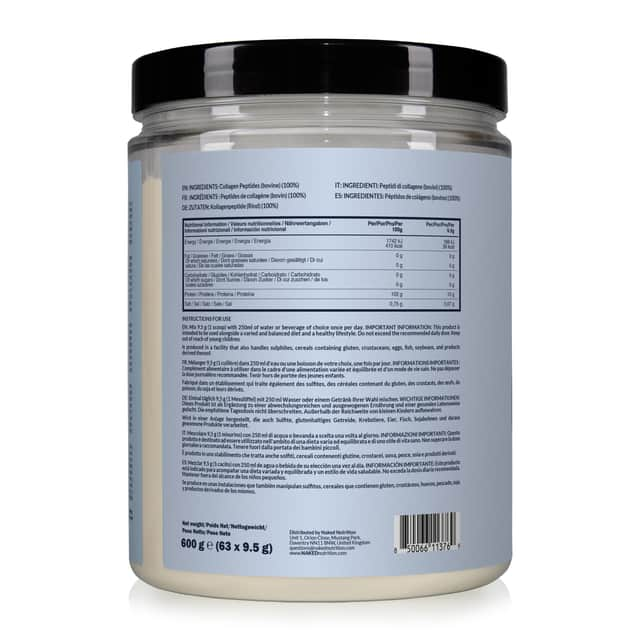
If you are looking for a reliable supplement, Naked Nutrition is a popular brand that recently expanded from the US to the UK and Europe. Their Naked Collagen has only one ingredient: bovine hide collagen peptides, sourced from pasture-raised cows in Europe. That means it’s free from additives and artificial sweeteners. It is odourless and tasteless, so it’s easy to mix in with your favourite drinks and each serving includes nine grams of protein and only 35 calories.
To find out more and order your Naked Nutrition, visit the website today.
Always consult your GP or consult the NHS website before trying any new supplements.