
‘Time capsule’ Nottinghamshire village where a bloody Civil War battle took place in 1648

The village is now home to just a few hundred people
If you’re interested in history, there are few better parts of the UK to explore than Nottinghamshire.
Just to give you an idea of how far the history of Nottinghamshire dates back, excavations at Creswell Crags - a group of limestone caves near Worksop - have revealed continuous human occupation in the county from 40,000 to 28,000 BC.
Nottingham itself dates back to the 6th century, when it was known as Snottingham.
So, you get the picture, Time Team could dedicate a whole series to the history of Nottinghamshire.
Many Nottinghamshire villages have stood the test of time, having existed for hundreds of years.
Some have changed considerably over the years due to housing and other types of developments, while others have remained largely unchanged.
Often home to just a few hundred residents, these quintessentially English villages almost act as a time capsule to a bygone era.
Here at NottinghamWorld we love nothing more than shining a light on Nottinghamshire’s little-known history, which is why today we’re taking you to a tiny village on the county’s border with Leicestershire.
Willoughby-on-the-Wolds and its little-known Civil War battle of 1648
Situated a few miles north-east of Loughborough, the small village of Willoughby-on-the-Wolds is your typical sleepy Nottinghamshire village.
Home to just over 500 people, the village features a church, community hall and bowls club, but no shop.
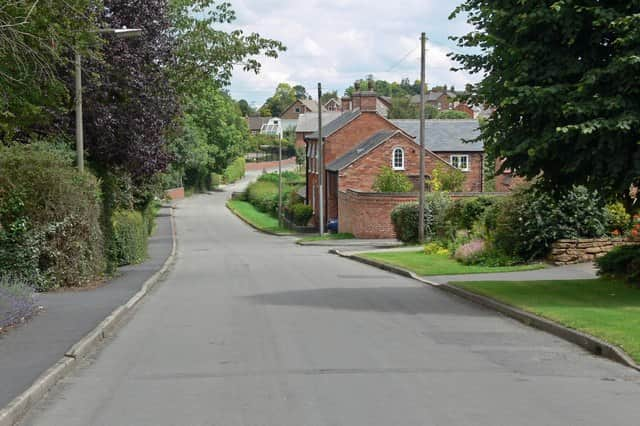

It’s one of several Wolds in the area, alongside Burton-on-the-Wolds, Walton-on-the-Wolds and Stanton-on-the-Wolds.
These days the idyllic village’s slow pace of life is ideal for families and retirees, and it’s no surprise that the average house price is £357,667.
Many of those who occupy the village today have no idea that 377 years ago it was the site of a bloody battle during the English Civil War.
The Battle of Willoughby Field, in July 1648, is thought to have been the last major battle of the English Civil War in Nottinghamshire.
The battle saw Parliamentarian forces under Colonel Edward Rossiter defeat Royalists led by Sir Philip Monckton.
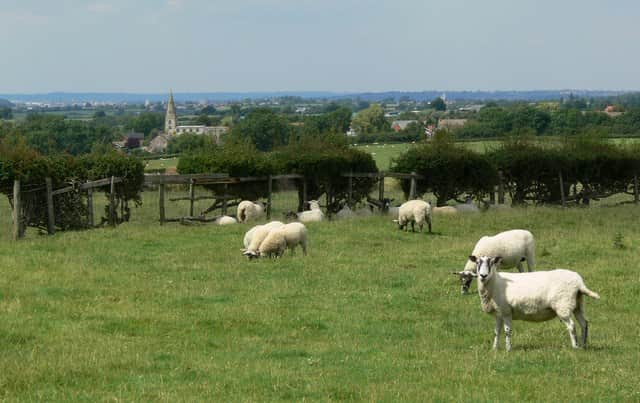
The conflict resulted in over 130 deaths, and a significant memorial to a fallen Royalist soldier, Michael Stanhope, can be seen in the village church.
While the exact location of the battle remains unknown, historians believe the most likely site is close to Woodpecker Farm in the village.