
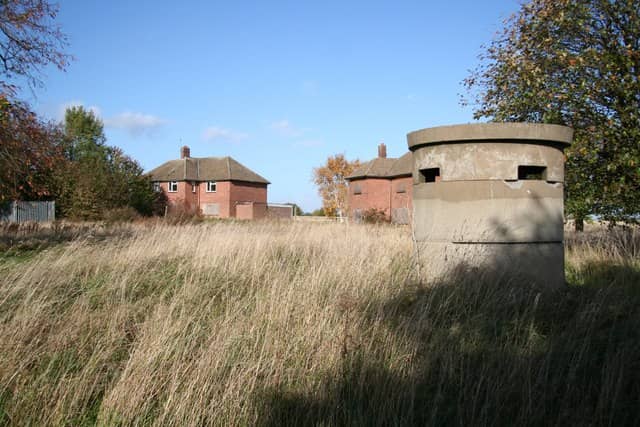


RAF Newton, located a few miles east of Nottingham, was one of several hundred air bases in England to play a key role during the Second World War.
Newton was one of several airfields built during the late 1930s as part of the UK government RAF expansion programme, opening in 1938.
By 1939 around 100 permanent airfields had been constructed as the war broke out.
In 1940, with the war underway, Newton hosted the RAF’s No 1 Group Bomber Command, 103 Squadron and 150 Squadron.
By October of that year, both squadrons were re-equipped with Vickers Wellington bombers and were heavily involved in bombing operations over France and Germany.
A few months later, in July 1941, both squadrons were withdrawn from Newton and moved to airfields more suitable for heavy bombers.
For the next five years, between July 1941 and December 1946, Newton served as a training base, providing basic and advanced flight training for Polish airmen serving with the RAF.
The base had several different civilian and military uses over the next four-and-a-half decades, before ultimately closing in 2000.
Over the next 20 years the Newton site sat derelict, its once bustling buildings left to crumble and decay at the hands of occasional vandals.
The abandoned houses on the base were used to film scenes from the 2006 Shane Meadows film This Is England, starring Vicky McClure.
In the late 2010s, much of the site was demolished to make way for a development called Newton Garden Village, which would see 528 new homes built on the former RAF base.
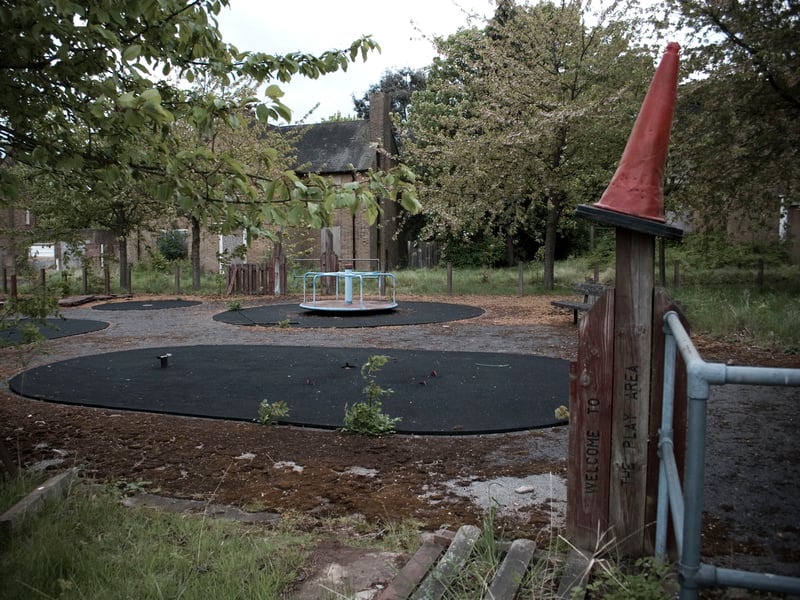
1. Eerie photos of RAF Newton near Nottingham before its demolition
RAF Newton opened in 1938 | Mark Fletcher Photo: Mark Fletcher
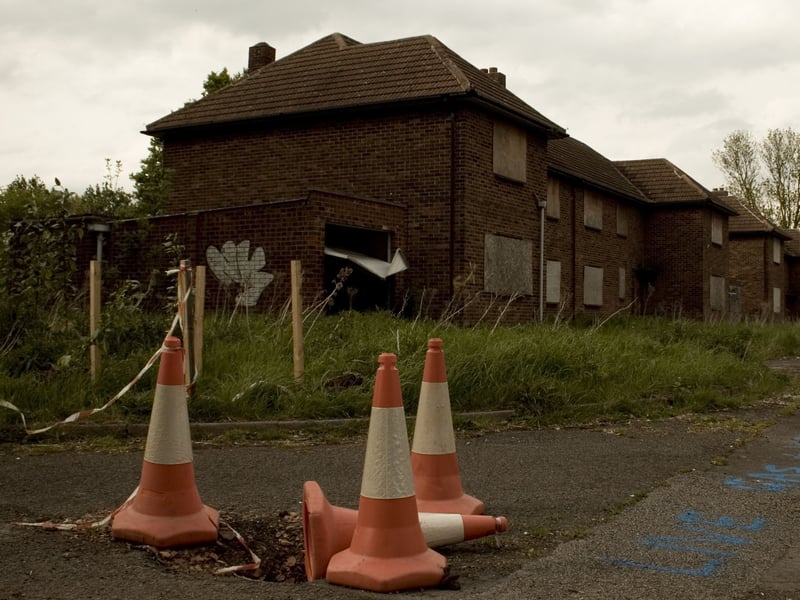
2. Eerie photos of RAF Newton near Nottingham before its demolition
RAF Newton remained derelict for nearly 20 years after its closure in 2000 | Mark Fletcher Photo: Mark Fletcher
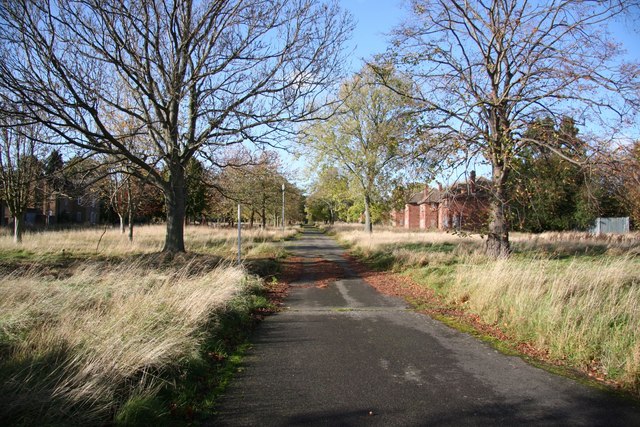
3. Eerie photos of RAF Newton near Nottingham before its demolition
Housing at the base remained empty from the late 1990s | Richard Croft Photo: Richard Croft
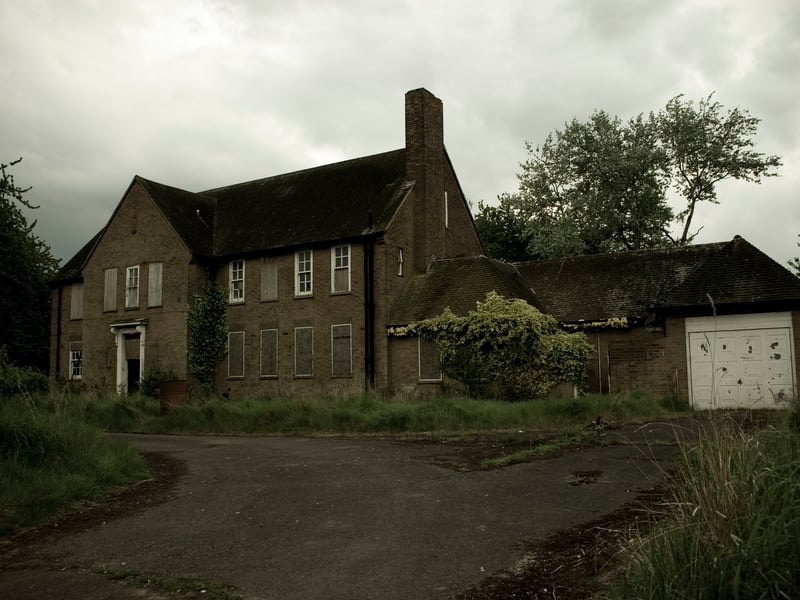
4. Eerie photos of RAF Newton near Nottingham before its demolition
The base was left to decay for nearly two decades | Mark Fletcher Photo: Mark Fletcher