
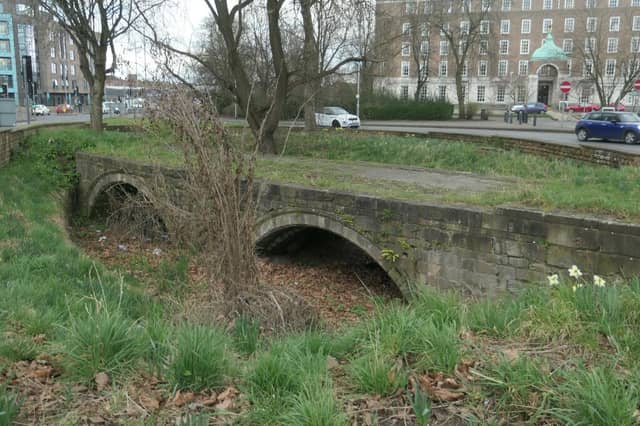


Nottingham as a settlement is thought to date back to around 600AD, which gives an idea of how historic some parts of the city are.
The city of Nottingham is, of course, very different from what it was a century ago - let alone 500 years ago.
Over the years, buildings have been torn down, railway tracks have been ripped up and tunnels have been sealed.
If you’re a bit of a history buff, Nottingham is undoubtedly one of the best cities in the UK to explore - and the good thing is many of these historical sites are hiding in plain sight.
We’ve chosen seven forgotten historical sites in Nottingham that you probably didn’t know about.
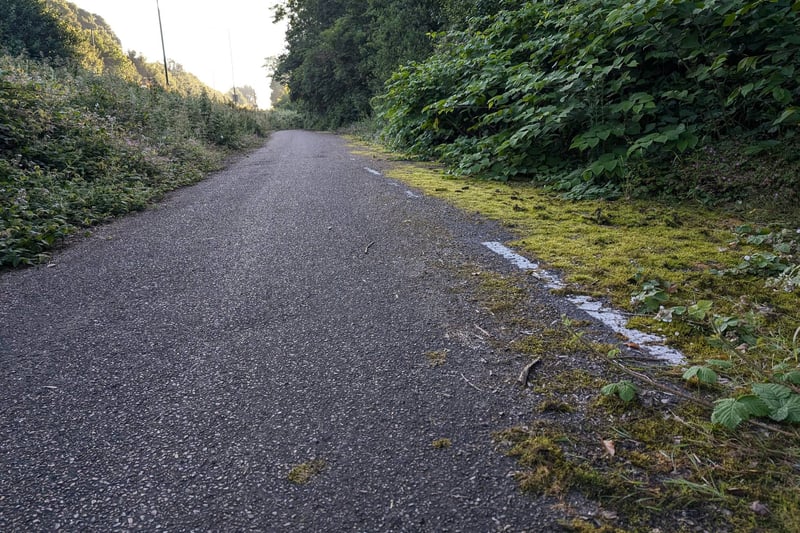
5. Abandoned Colwick Road
The now-abandoned Colwick Road used to run from the village of Colwick into Nottingham city centre. Colwick Road was closed in the 1980s and replaced by the busy Daleside Road, but the remains of the former route can still be seen. The original Colwick Road was built on the closed and abandoned Great Northern Railway trackbed that once ran into Nottingham. | Ant Daykin Photo: Ant Daykin
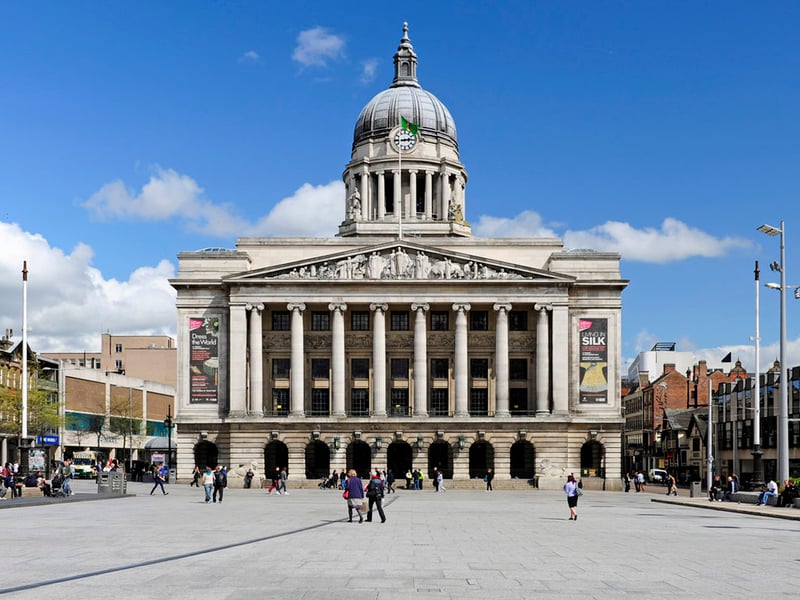
6. Line running down the middle of Old Market Square
Old Market Square's history as a centre-point dates back to the 11th century, before even the City of Nottingham was formed. At this time Nottingham was divided into two rival communities - the Anglo-Saxons and Normans. At some point during the late medieval period, a market was founded in the centre of the city to allow people from both sides of the divide to purchase goods. However, like two sets of rival footballers clashing, precautions had to be taken to avoid the Anglo-Saxons and Normans crossing each other's paths. And what better way to separate the two communities than a huge wall? The wall ran down the middle of Old Market Square and divided the animal market from the grain and commercial market. The wall was demolished in the 18th century and eventually the two settlements grew to become one large unified community. The metal line was added following a redesign of the square in 2006 to mark where the original diving wall once stood. | Geograph Photo: Geograph
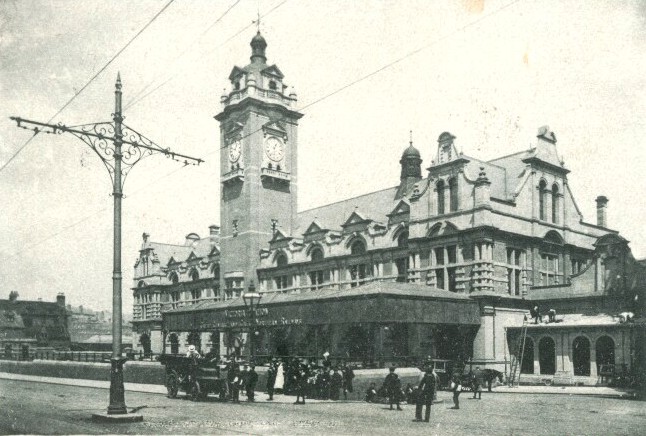
7. Nottingham Victoria Station
The former Great Central Main Line, which connected London to the North West between 1899 and 1969, ran through the former Nottingham Victoria Station. For 70 years, the line started at London Marylebone, before heading north via Nottingham and Leicester. However, most of the line was closed between 1966 and 1969 as part of the Beeching cuts. Nottingham Victoria station, which served the Great Central Main Line, opened in 1900 and closed in 1967. The station building was entirely demolished apart from the clocktower, and the Victoria Centre shopping centre was built on the site between 1967 and 1972. | Old postcard/Wikimedia Photo: Old postcard/Wikimedia
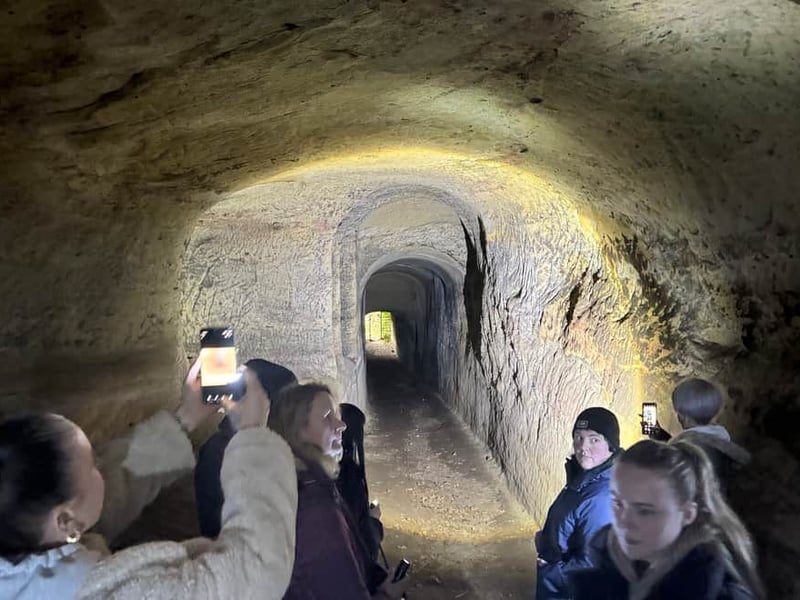
8. Catacombs beneath Rock Cemetery
Rock Cemetery, officially called Church Cemetery, opened in 1856 and is the final resting place for several notable people, including architect Watson Fothergill. While no bodies were ever stored in the catacombs, the dark tunnels beneath the cemetery are widely considered to be among Nottingham’s most haunted locations. Tours of the catacombs are occasionally run by Nottingham City Council. | NW Photo: NW