
Fast-Fashion Fatigue: Research shows shoppers in Nottingham favour value and longevity in wardrobe choices
New research from British Wool has shed light on the UK’s relationship with its clothes and the most important factors when buying new.
Longevity has come out as the top consideration for Nottingham residents looking to buy new clothes, with 80% claiming that this is the most important factor when seeking a wardrobe refresh.
In the new research from British Wool, upfront cost was the second most important consideration (75%), and 53% felt sustainability was important when buying new. The findings suggest a fast-fashion fatigue, with people in Nottingham prioritising a longer wear wardrobe of stylish investment pieces.
Despite longer-lasting clothes and upfront cost being key priorities, 53 per cent of Nottingham residents don’t consider cost-per-wear when it comes to buying new clothes.
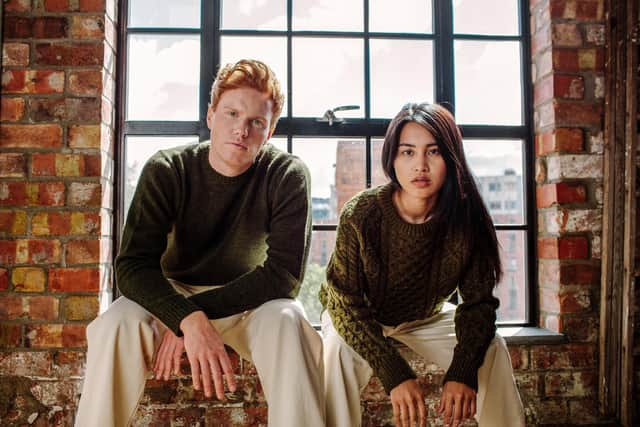

The research comes as British Wool seeks to better understand the UK’s relationship with consumerism and what actually matters when deciding what to buy, particularly as more and more clothing is being thrown away each year.
An average of 116 garments per person ended up in landfill in 2023 – nearly 50 per cent more than 2022 (76 items per person in 2022). Fast-fashion is flooding landfills fast, highlighting a worrying trend of poor-quality clothing that simply doesn’t go the distance.
A third (33%) of Nottingham locals surveyed further said that they would not feel comfortable repairing a garment that had a tear or pull themselves – creating additional scenarios in which consumers throw clothing away instead of channeling an inner-atelier.
Whilst woolly jumpers are expected to stand the test of time, the same cannot be said about the majority of clothing.
People in Nottingham would, on average, be happy to pay 21% more for clothing if they knew it would last 50% longer, it might just be time to put the money where the proverbial mouth is.
Patrick Grant, judge on The Great British Sewing Bee and Creative Director and Founder of Community Clothing, said: “We may say we value the longevity of our clothing, but we now need to act on it. It’s time to ditch fast-fashion and the attitude that anything we don’t want, we can throw away.”
“Investing in high-quality, long-lasting clothing isn’t just about looking good – it’s about making a choice that benefits both you and the planet. Fashion shouldn’t ‘cost the earth’. Everything you throw away ends up somewhere – so we all have a collectively responsibility to think carefully about what we buy and what happens to it when you’re finished with it.”
Graham Clark, Marketing Director at British Wool, said “We want to help consumers understand that quality clothing is still out there and that investing in these pieces is more beneficial for them in the long term.
By purchasing clothes made from more durable, versatile materials like wool, Brits can truly prioritise the longevity they’re seeking when shopping. You can build a functional and timeless wardrobe whilst ensuring you’re having a better effect on the planet and supporting a local economy in the process!”
The research revealed that coats and suit jackets were the oldest items people in Nottingham had in their wardrobes, coming in at 30% and 19% respectively, and 18 per cent believed their oldest item to be between 6-10 years old.
British Wool’s campaign, “Dress to Impress the Planet”, seeks to remind people of fast fashion’s cost on the earth – particularly in the run up to Christmas, with many of us making more impulsive buys.