

It’s been said that in Nottingham we’re not that great at talking about ourselves. While other cities proudly boast about their achievements and their most famous sons and daughters, Nottingham folks have a tendency to play all that down.
It might be the reason why Nottingham was recently described as “England’s most underrated city” and why you’ll often hear tourists from the UK and abroad expressing their surprise at just how much is going on here.
Not that we don’t do anything to celebrate our best features, or the Nottinghamians who have done great things. We have the plaques to some prominent children of the city, or people who have made Nottingham their home.
People like Eric Irons, Britain’s first black magistrate, who is honoured with a plaque outside the National Justice Museum on High Pavement. Or bare-knuckle boxing legend William ‘Bendigo’ Abednego, fearsome champion of the city.
There’s Arnold-born Thomas Hawksley, who designed and oversaw the construction of a revolutionary system of providing clean water to the people of Nottingham. Hawksley’s ideas and expertise were adopted far and wide, saving millions of lives and leading to much acclaim and international recognition from as far away as Brazil. There is a memorial statue to Hawksley in Arnot Hill Park, the grounds on which he was born.
About halfway up Victoria Street, just above head height, you’ll find a plaque to George Africanus, surely one of Nottingham’s most remarkable historic figures. As a child living in Sierra Leone in the 1760s, George was captured and sold into the ruthless slave trade, eventually ending up in Nottingham where a progressive family took him under their guardianship, educated him, and set him on his future course of being one of the city’s most successful 19th century businessmen and property owners.
And next time you’re walking along Pelham Street, have a look for a plaque dedicated to Peter Pan author J. M. Barrie who lived in Nottingham for a long time, and based his romantic vision of Neverland on the Arboretum.
But there are other people who we think deserve more recognition in this city, for what they’ve done for Nottingham or what they’ve gone on to do for the world.
Here are a few ideas for who should be next in line for plaques of their own.
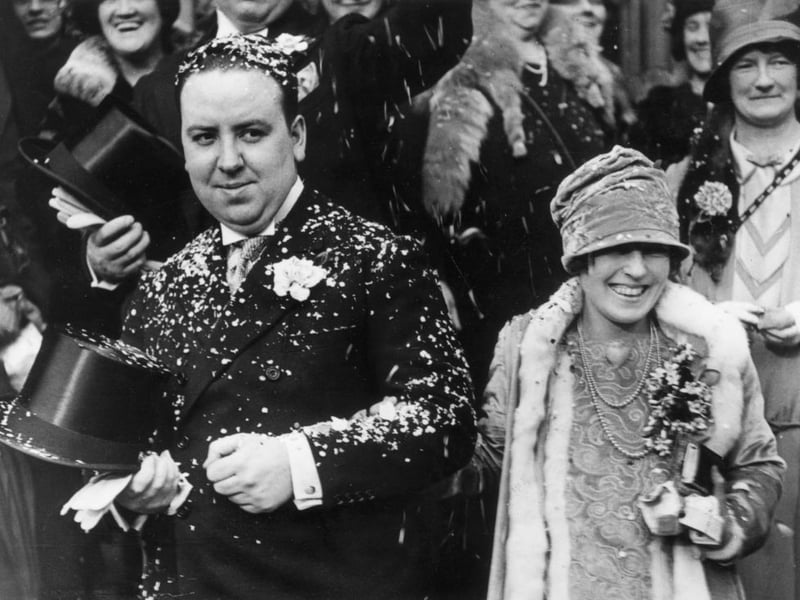
1. Alma Lucy Reville was born in the humble streets of St Anns in 1899. When her career as a gifted movie screenwriter, editor and later director began to take off, following early work with the London Film Company, she found herself moving in increasingly prestigious circles. Through one of her many film projects Alma met Alfred Hitchcock, whom she would later marry. There is a small plaque to Alma just off the Well’s Road, but we think she deserves more recognition in the city.
Alma Lucy Reville (later Hitchcock): film director, editor and screenwriter, and wife of Alfred. | Getty Images
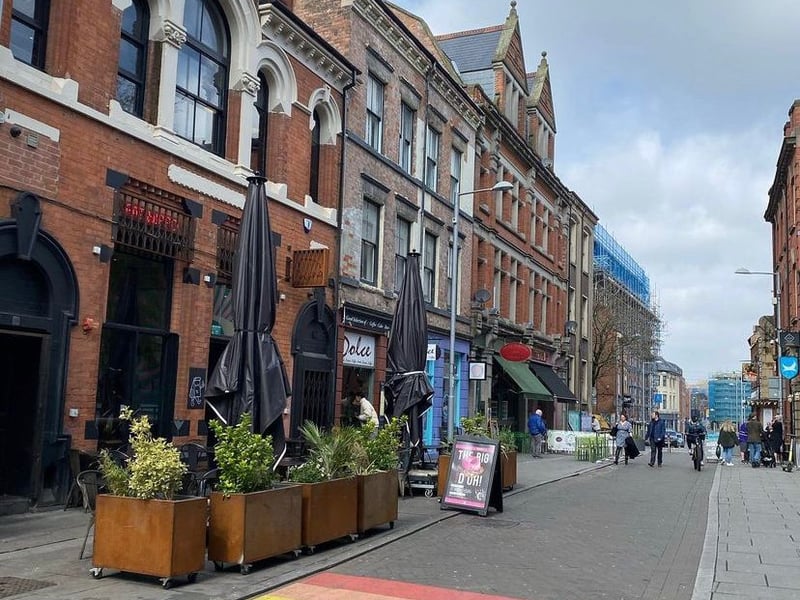
2. Did you know that one of the founders of the LGBT+ movement, and an early pioneer for gay and lesbian rights, was born in Nottinghamshire? A plaque at the London School of Economics marks the place where, in October 1970 second year sociology student Bob Mellors booked out a room to host the first ever meeting of the nascent Gay Liberation Front. But, ironically, there isn’t one in Nottingham despite Mellors being regarded as a major founding figure of the “modern gay and lesbian liberation movement”.
Bob Mellors: Gay Liberation Front founder | Bob Mellors: Gay Liberation Front founder
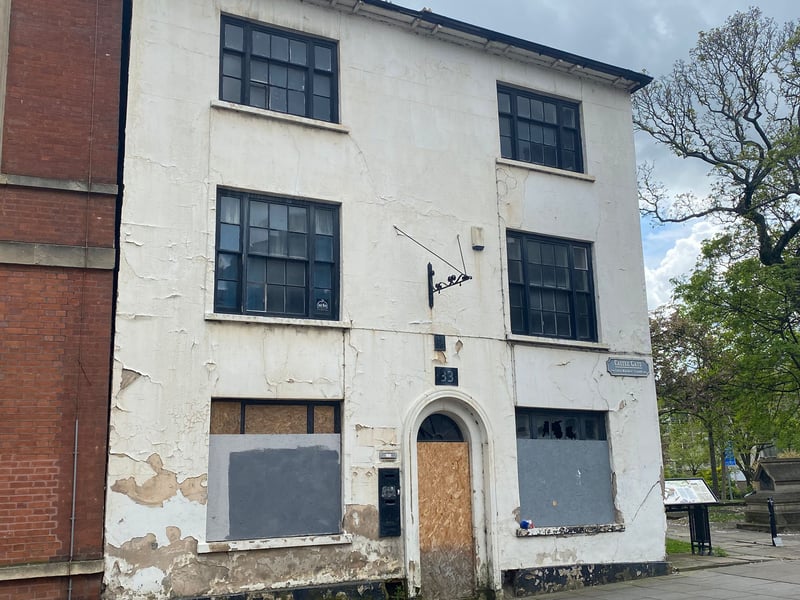
3. You wouldn't know it to look at the slightly dilapidated building on the corner of Castle Gate, by the graveyard of St Nick’s, but No.33 was once a smart fashionable townhouse and home to renowned 19th century poet, literary critic and diarist Ann Taylor Gilbert. Born Taylor, Ann married a minister and theologian Joseph Gilbert, who eventually moved to and settled in Nottingham, in the house of Castle Gate. Ann wrote poetry and prose while living in Nottingham, and collaborated with her poet sister Jane Taylor, who wrote the magical and eternal childhood words, ‘Twinkle, twinkle little star’.
No.33 Castle Gate where Ann Taylor Gilbert, Poet and literary critic lived | Caroline Barry
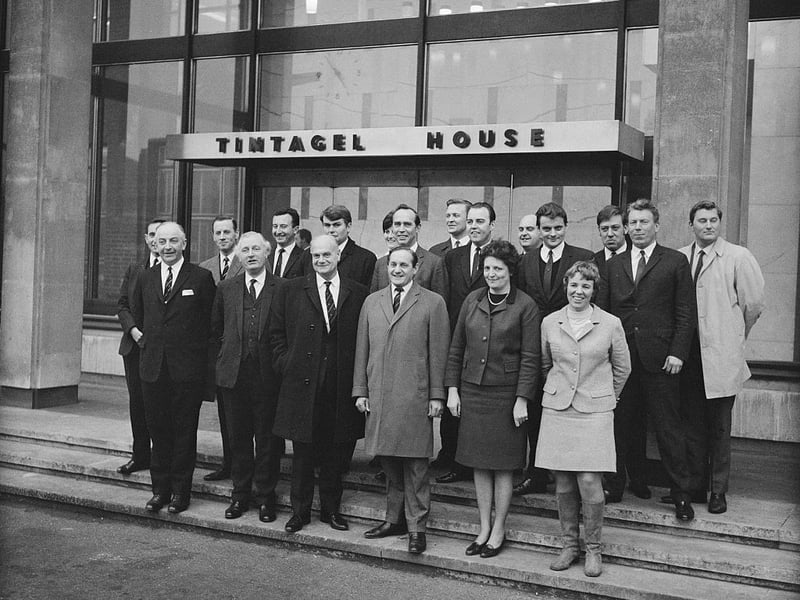
4. The story of the fearsome Kray twins is carved into the eternal stone of London. But what many people don’t know is that the Met Police detective who finally brought them down was born and raised in Nottingham. Det Ch Supt Leonard “Nipper” Read made it his personal mission to bring Ronnie and Reggie Kray to justice, after years of trying to pin them to a major crime. In 1968 he got his chance when both were arrested, jointly tried, and found guilty for murder. Read was born and raised in Nottingham, moving to London in 1947 where he joined the Met. Before collaring the Krays he was involved in solving the Great Train Robbery of 1963. He died in 2020.
Leonard Read (AKA- Nipper Read) | Getty Images