
Spider season: What is that spider in my house - and is it dangerous?

A lot of the eight-legged arachnids will just be looking for love 🕷
- September is ‘spider season’, when more of them are typically seen in UK homes
- There are a few different species which are common sights indoors - including some with similar appearances
- Experts say most spiders in the UK aren’t harmful to humans
- There can even be some benefits to letting them stay inside
As temperatures cool this month, people across the UK will likely start spotting a few more of the spiders they share their houses with.
It’s now September, and the beginning of autumn. While this may conjure up images of red and gold leaves and cosy scarfs, it’s also spider season. Eight-legged arachnids trying to stay warm are more likely to come inside at this time of year, and experts say it’s mating season for some of them – meaning you might spot them roaming around as they look for a romantic partner.
While there are certainly upsides to letting them stick around, the sight of a 10-centimetre house spider scurrying across the floor can be quite the shock – even if you’re not usually an arachnophobe. And for the uninitiated, it can be tricky telling one species from another. This can be a vital factor in deciding whether you’re comfortable sharing your space with them.
The Natural History Museum has published a handy guide to identifying some of the most common spiders you might encounter over the coming months. Here are a few of the species you might see – and whether their appearance is any cause for alarm:
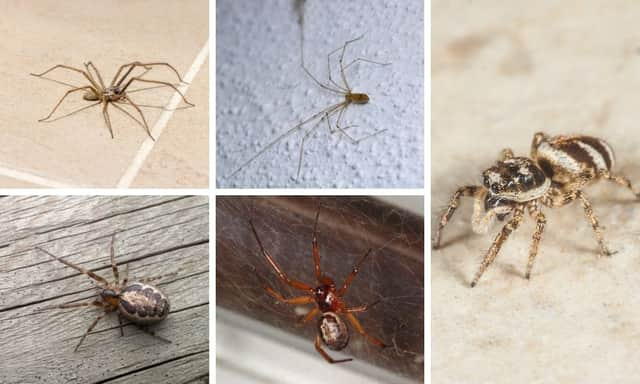

House spiders
‘House spider’ is the name given to members of the Tegenaria species. These are those large, long-legged spiders you’ll often see dashing across the floor at this time of year, which Natural History museum experts say is when males leave their webs to seek out females. Some of the larger species can reach up to 12cm in length, and they are usually brown in colour - with a tan “herringbone” pattern on their abdomens.
Rather than being year-round residents, they usually come in through through open windows, chimneys or gaps under doors. Your best bet in deterring them is to close up these spaces, especially at night. While they’re common in the south of England and throughout the midlands, they are also expanding their range into the North of England and Scotland too. “Before long, few locations where there are houses will remain free of them,” the museum says.
Despite their size and speed (they’re one of the UK’s fastest insects), house spiders are “gentle giants”, according to the Woodland Trust. As some of the country’s largest spiders, they are one of only about 12 species able to actually bite humans. But they will typically only do this when threatened, and their bites are unlikely to do any harm.
Daddy long legs
These are technically also fairly large by spider standards, but it’s all leg. True daddy long legs spiders are members of the Pholcus family, and have tiny, greyish bodies and long, slender legs. You will often notice them building webs in corners, where they usually stay. Despite their “untidy” looking webs, they will help keep your house free of other insects, and the Natural History Museum says they will even take on much larger prey - like giant house spiders.
Like most smaller-bodied spiders, Pholcus species are too small to bite humans, and pose no danger to us. It is worth noting that there are two other, similar looking creatures also sometimes called daddy longlegs in the UK. These include harvestmen (another type of arachnid), and large crane flies.
Zebra jumping spider
Perhaps the cutest entry on the list, these tiny spiders will only grow to less than one centimetre long. As their name might suggest, they have black and white stripey markings, and dart or hop around hunting for other insects to pounce on rather than building a web. They also sometimes enter houses during autumn through open doors and windows.
These spiders can bite if they are scared or handled roughly, according to pest control company Orkin. But they are not aggressive biters, and are so small that their bites aren’t really harmful to humans.
False widows
There are about six different spider species found in the UK commonly called false widows, the Natural History museum says. They are all members of the Steatoda family, except for one closely-related cousin, and they all generally get a pretty bad rap for biting humans.
False widows are fairly small, with bodies that grow to about the size of a fingernail. They have a “rounded, bulbous abdomen”, especially the females, and are brown to blackish in colour. They tend to have distinctive markings on their abdomens too, including a large crescent, but these are sometimes faded.
False widow spiders like to build webs indoors, and can be found in homes year-round - but sightings are a little more common in autumn as they try to escape the cold. Although they’re not native to the British Isles, various species have now established themselves across most of the country.
Ultimately, false widows can bite you and it is venomous, the museum says. But these common spiders are no cause for alarm. “The venom is not particularly potent. Usually the only symptom is pain at the site which may radiate away... It ordinarily lasts between one and 12 hours, and rarely for more than 24 hours,” its experts write.
Although sometimes more serious symptoms are reported, they say this is usually down to issues like spider bites becoming infected. These spiders are usually “tidy houseguests” who help keep other insects away too, and will only bite if threatened.
Orb weavers
‘Orb weaver’ is another name commonly used to refer to a few different types of spider, including the common garden spider you’ll see in the centre of intricate webs outdoors. But one species - the missing sector orb web spider - can often be found indoors, and the Natural History Museum says it is often mistaken for a false widow.
Missing sector orb weavers will only grow to about 1.5cm long, and have “a silver-grey coloured abdomen with a brown oak leaf pattern on the back”. Their legs are striped in various shades of brown. They will sometimes wander into open windows during the colder months, and will build webs around them to catch flying insects. Unusually, these webs often appear to have one section missing - which is where they got their name.
The museum says these spiders are “totally harmless to humans”. They are in fact rather shy - and will likely hide away in a nearby nook if there are people about.
These aren’t the only spiders you might spot indoors this autumn. If you see another spider that you need help identifying, the Natural History Museum runs a handy identification service. It offers downloadable ID guides, as well email addresses for you to send in photos and descriptions to experts. You can find the details online here.
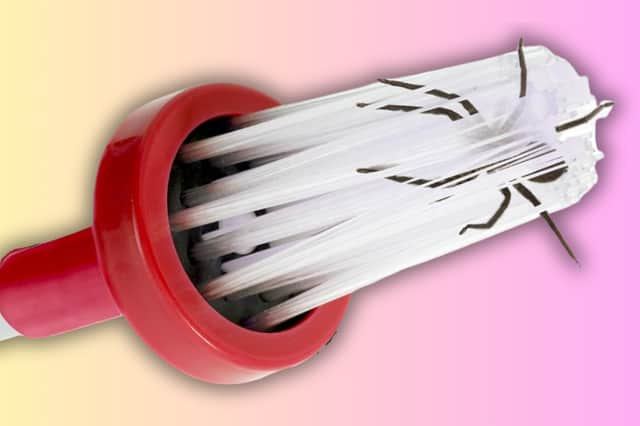
There’s an easier way to deal with spiders – and it doesn’t involve squashing them with a shoe or summoning someone braver. This foldable spider catcher from KEPLIN is currently Amazon’s number one best seller in pest control traps, and it’s easy to see why.
For just £9.99, this cleverly designed bug trapper lets you catch spiders, daddy longlegs, wasps and even moths without going anywhere near them. The extra-long handle extends from 45cm to 81cm, so you can grab them from ceilings and corners while staying a safe distance away.
It’s a gentle, humane solution for anyone who can’t face creepy crawlies but doesn’t want to harm them either. Lightweight and easy to store, it’s ideal for kids, nature-lovers and outdoor types too.