


We don’t like to blow our own trumpet (oh, we definitely do), but Nottinghamshire has produced some very important people over the centuries.
From literary hero D.H. Lawrence to fashion pioneer Sir Paul Smith, our amazing county has been home to all kinds of special people.
And those people, in turn, have done some pretty special things.
In fact, some of the things you may well have used today were invented by people from Nottinghamshire.
Here are eight of the best inventions that were created by people from Nottinghamshire.
5. Tarmac
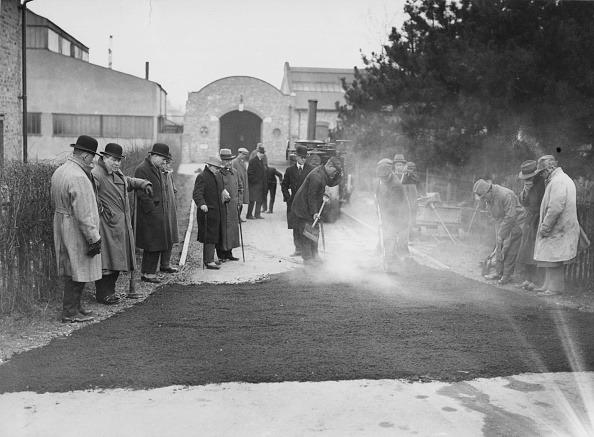
While many assume it was created by Scottish engineer John Loudon McAdam, Tarmac was actually invented by a Nottinghamshire surveyor by the name of Edgar Hooley. McAdam had invented Stone McAdam in the early 19th Century, but Hooley had the idea of adding tar to the mixture to produce less dust from passing vehicles. The world's first tarmac road was laid on the outskirts of Nottingham in 1902. Photo: Topical Press Agency

6. The Millennium Falcon
Okay, so while Han Solo's iconic spaceship wasn't actually conceived in Nottinghamshire, it's safe to say that it would never have gotten off the ground without the help of a retired Warsop helicoper pilot and hovercraft expert. Colin Coombes was brought into film scenes in the Empire Strikes Back, where Lucas Films needed a life-size model of the 'fastest hunk of junk in the universe' to physically lift off the ground. In days before CGI and Green Screen, Colin devised an intricate system of hoverpads, which were placed beneath the model to manoeuvre it off the ground. Photo: Alberto E. Rodriguez

7. Traffic lights
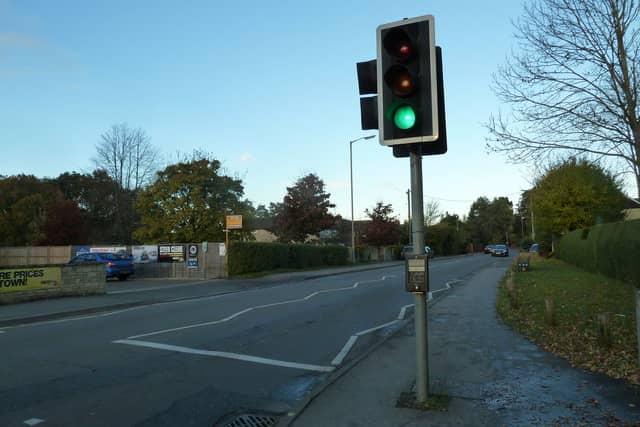
Nottinghamshire-born John Peake Knight invented the first traffic light in 1866 - 20 year's before Carl Benz patented the design for the first car. Knight's design had a revolving gas-powered lantern with a red and green light (the amber light came later) - the very first one was placed near the House of Commons in London. Photo: Construction Photography/Avalon
8. Shin pads
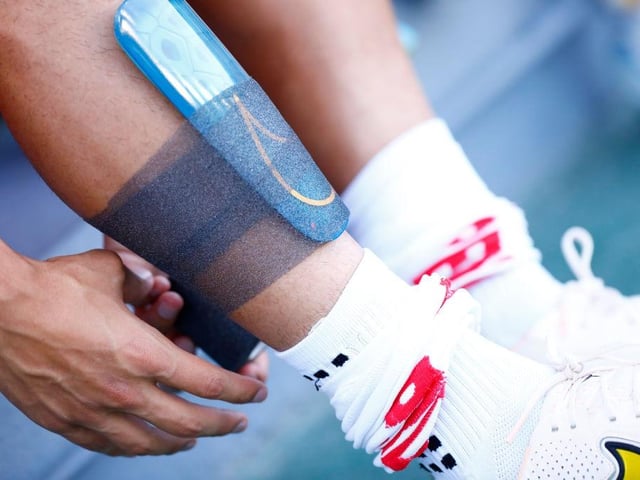
The shin pad was invented by footballer Samuel Widdowson in 1874 for a team that would go on to become Nottingham Forest. In a game that, back then, allowed elbowing, openly chopping at the shins and manhandling the goalkeeper out of the way, it says a lot about British grit that he didn't develop full body armour. Photo: Leopoldo Smith