

The fact that Nottinghamshire as a settlement dates back thousands of years goes to show how fascinating the county’s history is.
Indeed, excavations at Creswell Crags, a group of limestone caves near Worksop, have revealed continuous human occupation from 40,000 - 28,000 BC.
Needless to say, Nottinghamshire has changed quite a bit over the years, with many settlements that existed several centuries ago no longer appearing on modern maps.
New details about these deserted villages are constantly emerging thanks to the hard work of local history enthusiasts.
According to Nottinghamshire County Council, modern technology has so far revealed traces of 55 villages lost to time.
We’ve taken a look at 6 of the most interesting lost villages of Nottinghamshire and checked out what remains below.
Explore them below:
1. Hocton (now Haughton)
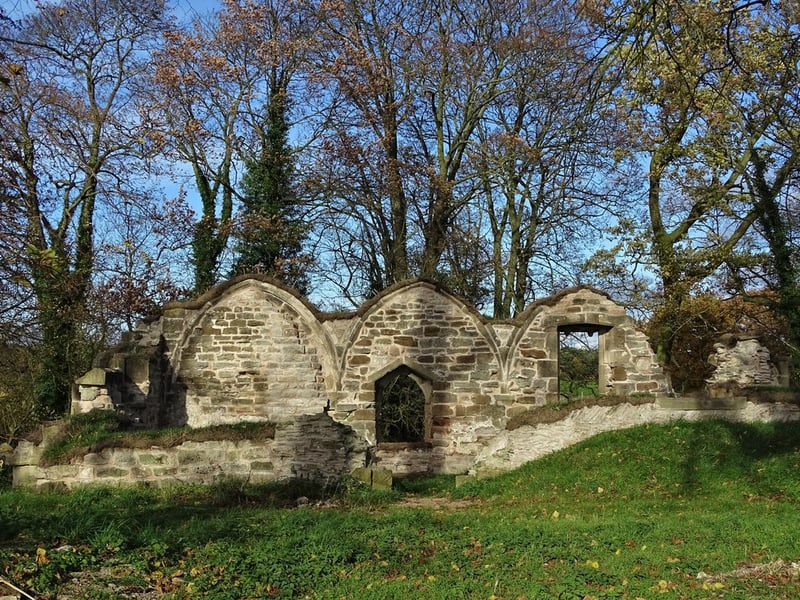
The ruins of the Church of St James are all that remain of the place of worship and the only indication of the medieval village that was once here. First named as Hocton in the Domesday book, it was renamed Haughton in 1316. During the Tudor period, common land that belonged to the people was claimed by noblemen and enclosed, with the villagers evicted. An aerial survey in 2021 revealed traces of the medieval village. | Neil Theasby Photo: Neil Theasby
2. Whimpton
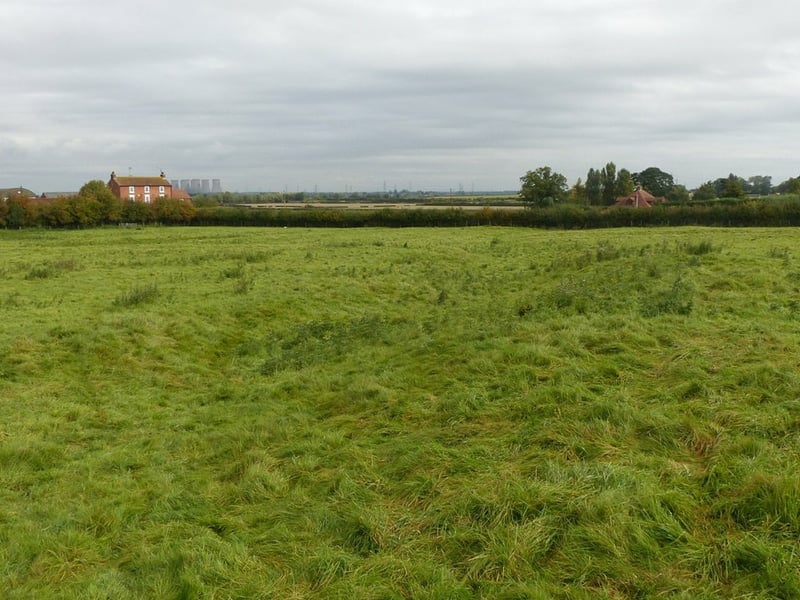
We move onto the lost village of Whimpton, close to the river at Dunham-on-Trent. Underneath what is now a protected archaeological site there is evidence of former homesteads, a church, enclosures, furrows and moats, even the abandoned village green. Whimpton appears in the Domesday book, and in records up until the 15th century. But by the mid-16th century, the village had disappeared. | AMR Photo: AMR
3. Farworth
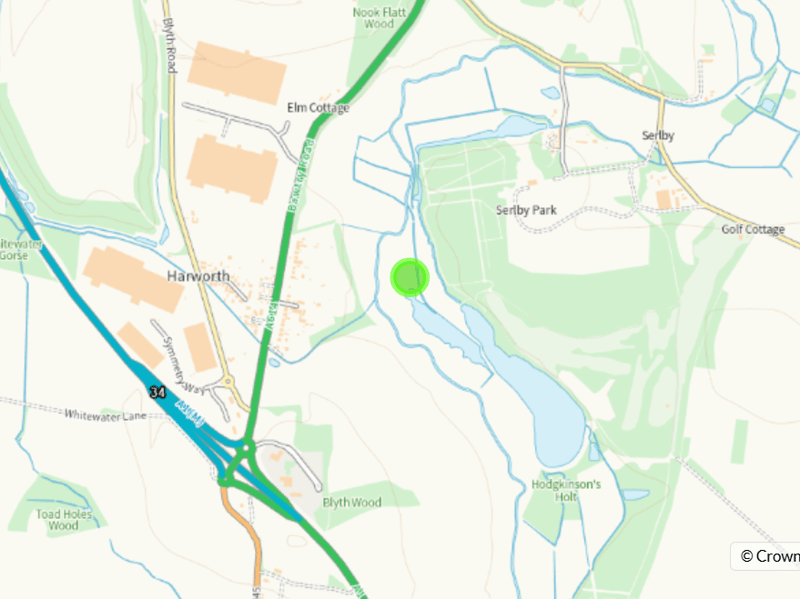
The hamlet of Farworth in north Nottinghamshire was lost forever to an outrageous land clearance by a wealthy owner. When the owner of Serleby Hall, which still stands on the same site, bought the estate in the late 1730s, there was just one problem: the locals. But the 1st Viscount Galway was determined to have his rural retreat. And in one ruthless swoop, he found a solution. He simply cleared the surrounding land, dismantled the builders, and evicted the villagers. Nothing now remains of Farworth but historical records and the ghost of a hamlet somewhere in the grounds of Serleby Hall. | Ordnance Survey Photo: Ordnance Survey
4. Thorpe in the Glebe
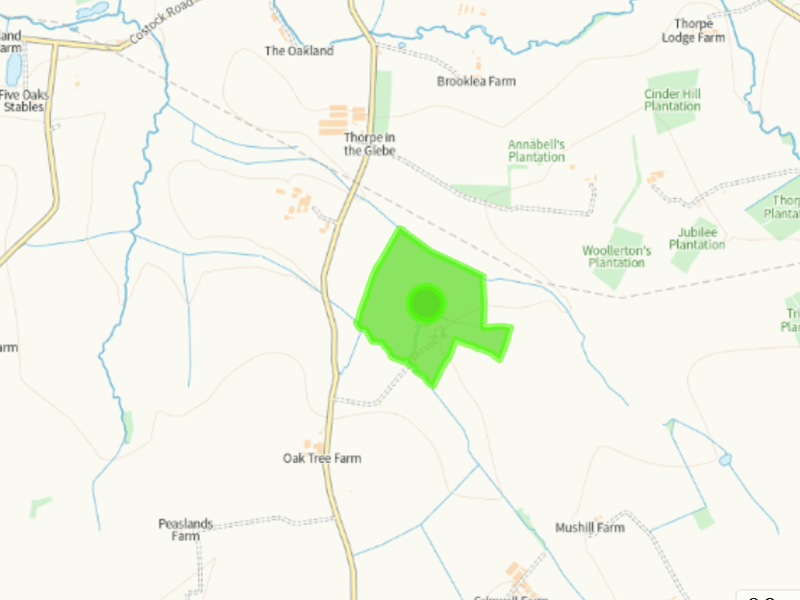
Thorpe in the Glebe is considered the most extensive of Nottinghamshire's deserted medieval villages. Its name is derived from the Danish word 'torp', which was a subsidiary settlement or farmstead dependent on a larger village. There is no clear evidence exactly when Thorpe in the Glebe was created but the tenth or early eleventh century is most probable. There is no population recorded in the Domesday book, so it appears that the area was deserted at this time and subsequently resettled. | Ordnance Survey Photo: Ordnance Survey