

Nottinghamshire holds some of the East Midlands’ most impressive historic landmarks — commanding castles and grand estates that echo tales of royalty, rebellion, and romance.
Set amid sweeping countryside and timeless villages, these sites reveal centuries of drama and design.
From fortified towers to elegant halls, each place reflects the county’s rich heritage and architectural flair.
Whether you’re chasing history, scenery, or a glimpse of legend, Nottinghamshire delivers it all in style.
See our gallery of 6 top spots showcasing the most beautiful castles and grand homes in Nottinghamshire.
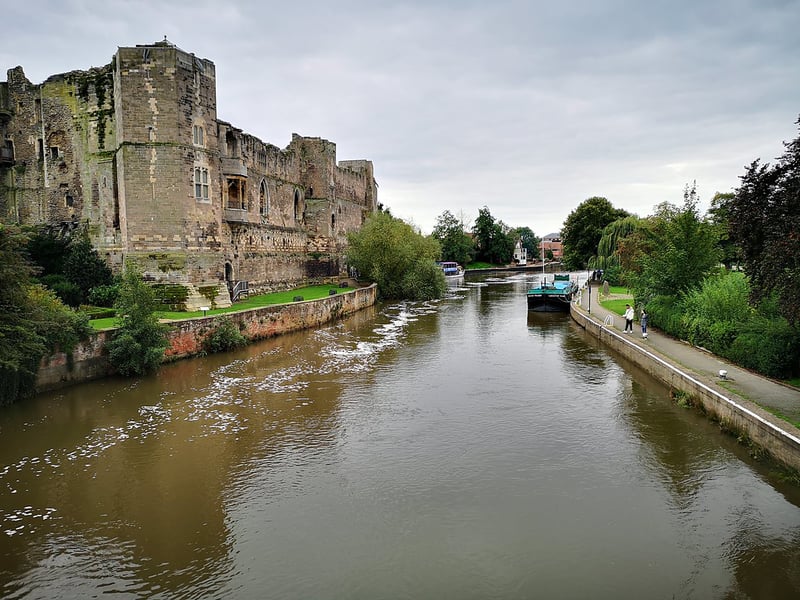
1. Newark Castle, Nottinghamshire
Newark Castle, built in the mid-12th century by Alexander, Bishop of Lincoln, has a rich and varied history. Originally an Anglo-Saxon settlement and cemetery, it was replaced by an earth and timber fortification shortly after the Norman Conquest. | Marketing Nottingham Photo: Marketing Nottingham
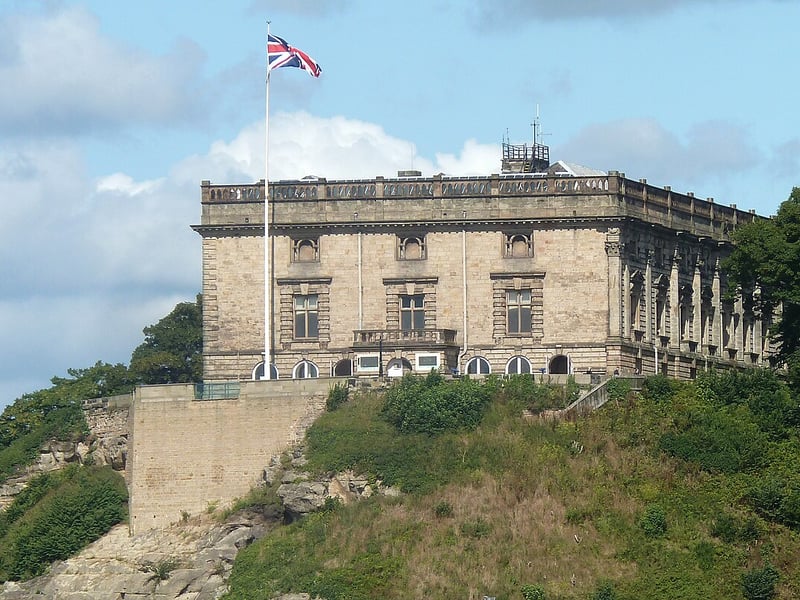
2. Nottingham Castle, Nottinghamshire
Nottingham Castle began as a Norman motte-and-bailey castle in 1068, later converted to stone and serving as a royal residence and fortress before its extensive demolition after the English Civil War. The current ducal mansion was built on the site in the Stuart era and now houses a museum, art gallery, and exhibits on Robin Hood and local history, alongside guided tours of the castle's famous caves. | JimmyGuano Photo: JimmyGuano
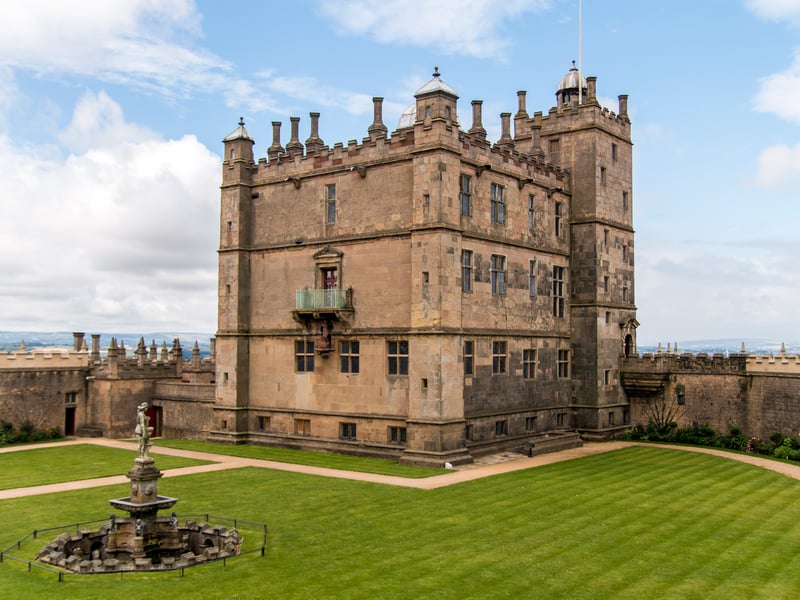
3. Bolsover Castle, Derbyshire
Bolsover Castle was founded in the late 11th century by William Peveril, one of William the Conqueror's knights, but it was neglected from the mid-14th century. Its ruins provided the setting for the Little Castle begun in 1612 by Sir Charles Cavendish as a retreat from his principal seat at Welbeck, a few miles away. | Amateur With A Camera Photo: Amateur With A Camera
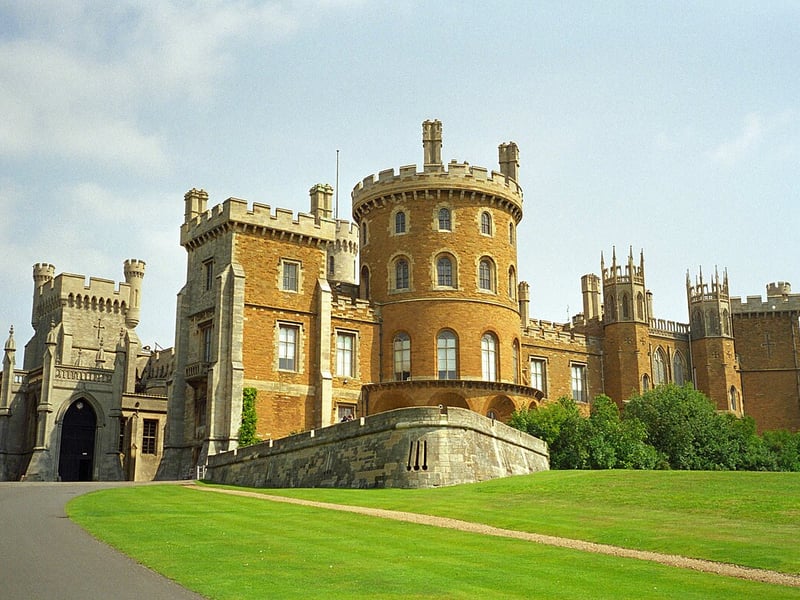
4. Belvoir Castle, Leicestershire
Belvoir Castle is the ancestral home of the Dukes of Rutland and the family have lived there in an unbroken line for almost one thousand years. The original site was gifted by William the Conqueror to Robert de Todeni in 1067, and the present structure was built between 1801 and 1832. | Kmtextor Photo: Kmtextor