
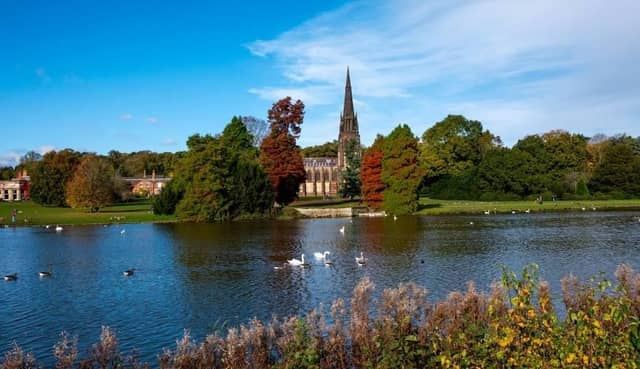


Nottinghamshire is packed with natural beauty and historic charm, and these top spots showcase the county at its finest. From peaceful wetlands to grand estates, there’s something for everyone.
Attenborough Nature Reserve is a birdwatcher’s dream — lakes, woodlands, and reedbeds alive with wildlife just minutes from the city. Colwick Country Park offers wide-open space for water sports, family walks, and lakeside picnics, making it a go-to escape from urban life.
Further north, Clumber Park stands out with its sweeping grounds, vast lake, and miles of walking trails framed by towering lime trees. It’s a perfect spot to cycle, explore, or just breathe deep. Thoresby Hall brings elegance and history together, offering luxury within reach of Sherwood Forest, with spa days, woodland strolls, and old-world architecture.
Rufford Abbey combines the ruins of a medieval monastery with tranquil gardens and scenic walks, while Bestwood Country Park delivers forest paths and panoramic views, steeped in royal hunting heritage.
Whether you’re after history, wildlife, or just a beautiful walk, these destinations highlight the very best of Nottinghamshire — rich in scenery, full of character, and perfect for day trips or long weekends.
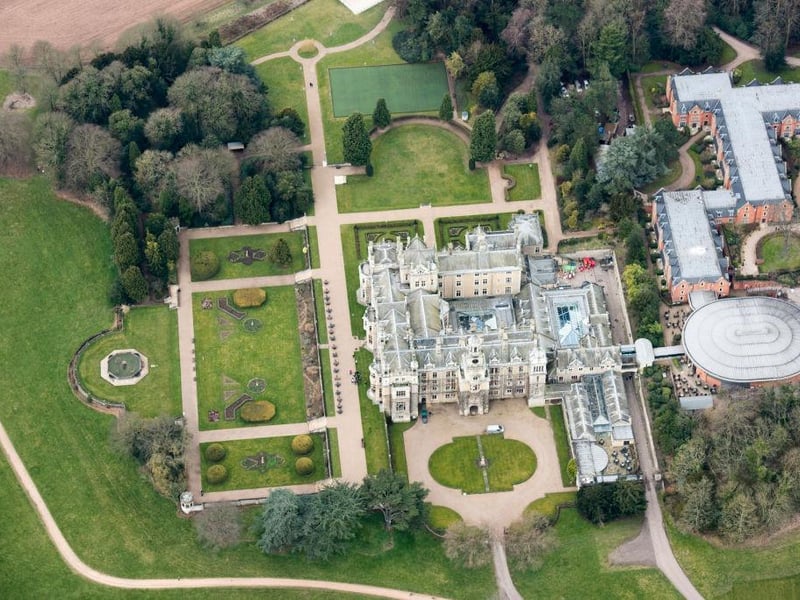
5. Thoresby Hall
Thoresby Hall is a magnificent Grade I listed stately house. Historic features include a vaulted Great Hall, carved wooden fireplaces, historic lounges and a library. The hall is surrounded by 50 acres of Grade I listed gardens within the Thoresby estate, with a picturesque river, paths and cricket field. Photo: Getty Images
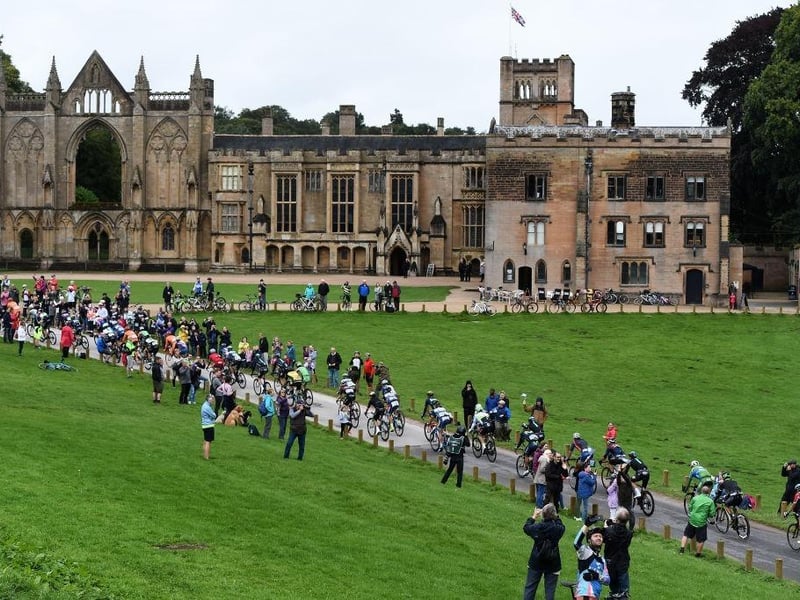
6. Newstead Abbey
Newstead Abbey was formerly an Augustinian priory. Converted to a domestic home following the Dissolution of the Monasteries, it is now best known as the ancestral home of Lord Byron. The priory of St. Mary of Newstead, a house of Augustinian Canons, was founded by King Henry II of England about the year 1170, as one of many penances he paid following the murder of Thomas Becket.[2] Contrary to its current name, Newstead was never an abbey: it was a priory. Photo: Getty Images
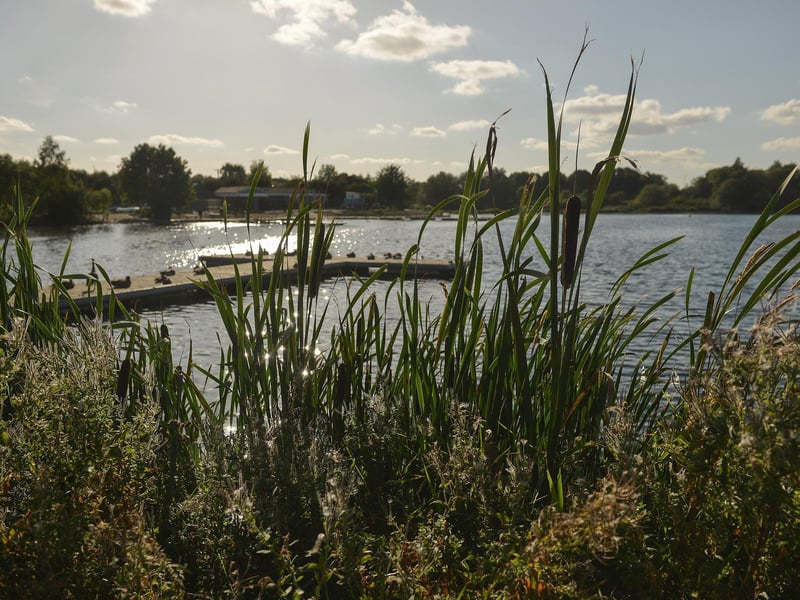
7. King's Mill Reservoir
The reservoir is home to the Mill Adventure Base, offering sailing and climbing activities. This is one of three Nottinghamshire adventure bases, with the other two at Holme Pierrepont (Lakeside) and Worksop (Sandhill), all of which are available for people aged 11–19. The sailing club has used the reservoir since 1959. Kings Mill received its name from a mill on the north-east of the reservoir, once owned by John Cockle and his wife, who gave Henry II of England a night's lodgings and breakfast during his reign.It also offers a good scenic walk. Photo: Rachel Atkins
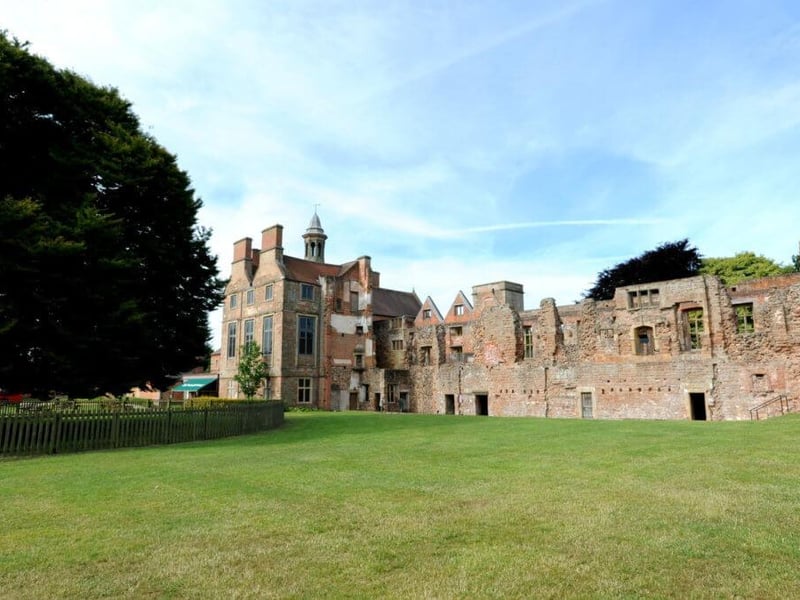
8. Rufford Abbey
Rufford Abbey is a country estate two miles south of Ollerton. Originally a Cistercian abbey, it was converted to a country house in the 16th century after King Henry VIII's dissolution of the monasteries. Part of the house was demolished in the 20th century, but the remains, standing in 150 acres of park and woodland, are open to the public as Rufford Country Park. Part of the park is a local nature reserve. Photo: Visit Sherwood Forest