
What to do if either you or your child has measles? Signs and symptoms of measles rash and when to seek help

Cases of the highly contagious virus have been on the rise 🚨
- Measles cases are rising in the UK.
- Concern is growing as vaccination rates continue to be below the 95% recommended threshold.
- Dr Donald Grant, GP and Senior Clinical Advisor at The Independent Pharmacy reveals what to do if you or your child has measles.
Concern is growing about the rising numbers of measles cases.
Earlier this week a child died at Alder Hey Children’s Hospital in Liverpool after contracting the highly contagious virus.
Measles can have serious complications, with the number of cases of measles in the UK on the rise and the current MMR vaccination rates below the 95% recommended threshold needed for herd immunity.
Dr Donald Grant, GP and Senior Clinical Advisor at The Independent Pharmacy has revealed how to detect measles early to ensure people receive the treatment they need and what to do if you suspect either you or your child has contracted measles.
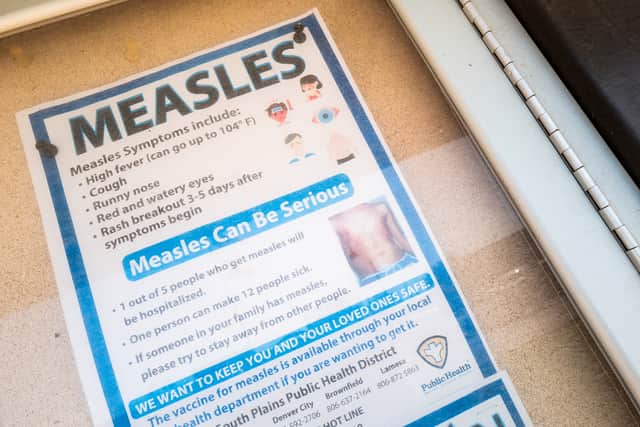

What is measles?
Measles is a highly contagious viral infection, the virus spreads through respiratory droplets when an infected person coughs or sneezes. It can have serious health consequences, especially for young children, pregnant women, and those with weakened immune systems.
What are the symptoms of measles?
In the early stages of measles symptoms can include a high fever, tiny white spots or conjunctivitis. The rash stage tends to begin three to five days after these initial symptoms, starting at the face and quickly spreading to other areas of the body.
Dr Grant said: “Symptoms of measles typically begin around seven to 14 days after infection and is particularly dangerous to young children and those with weakened immune systems - proving fatal in some cases.”
Adding: “It’s vital that we’re aware of the signs of measles due to its highly infectious nature. Prompt awareness of this infection can reduce the spread and help people manage their symptoms more effectively.”
What should you do if you or your child has measles?
If you or your child contracts measles, Dr Grant recommends seeking urgent medical attention to seek treatment options. It’s also vital that you isolate yourself from other members of your household and avoid public places, if you do leave your home wearing a face mask can help reduce spreading the measles infection.
Dr Grant said: “To prevent the likelihood of future outbreaks in your home, ensure everyone has received their MMR vaccine. This is vital for young children - who are at an increased risk of death if they contract the viral infection. Receiving the vaccination will help avoid these horrific symptoms while reducing the spread.
“By taking these steps, you can help alleviate the impact of measles symptoms and avoid the risk of spreading the illness to more vulnerable individuals. As those with weakened immune systems can fall extremely ill i if they catch the illness, it’s imperative to reduce the likelihood of transmission as much as possible.”
You can find out more about what measles is, symptoms of measles and what to if you think you or your child has measles at NHS.UK.